A nationwide trophy recycling program is a powerful sustainability initiative. It works by collecting old, unwanted trophies and awards, refurbishing their valuable components, and donating them to non-profits. This process breathes new life into items that would otherwise end up in a landfill, turning them into meaningful recognition for deserving groups.
For business owners, IT managers, and corporate sustainability leaders, such a program offers a tangible way to enhance environmental responsibility and community impact—key pillars of a modern corporate identity.
A Blueprint for Sustainable Recognition
Think about that office closet. We've all seen it. Tucked away in the back are dusty old trophies from company achievements past—items that once held pride of place but are now just taking up valuable real estate. It's a common story in businesses everywhere.
These symbols of success often meet a sad end in a dumpster, contributing to our already overflowing landfills. This is the exact problem a nationwide trophy recycling program is designed to solve.
The idea isn't new, but it's incredibly effective. In fact, one heartwarming initiative has been turning waste into wonder for over 40 years. It started in a small Wisconsin trophy shop back in the 1980s and grew into an official nationwide program by 2007. To give you a sense of scale, during the 2020 pandemic clean-out craze, this single program received over 55,000 trophies in just one year. That's a massive volume of unused awards hiding in storage closets.
More Than Just Decluttering
For any modern business, launching a trophy recycling initiative goes far beyond simple decluttering. It's a tangible statement about your company's values and a perfect fit for Corporate Social Responsibility (CSR) goals, showing a real commitment to both the circular economy and community support.
This mirrors the responsible lifecycle management of corporate assets, from retired IT equipment to laboratory instruments. A social enterprise like Reworx Recycling helps businesses with secure IT equipment disposal, ensuring that old computers and servers are managed responsibly. A trophy program extends that same sustainable mindset to other company assets, turning a basic act of disposal into a positive story of environmental stewardship. If you're curious about the parallels, you can learn more about how e-waste solutions fit into corporate sustainability.
The Core of a Successful Program
A truly successful program isn't just a collection drive. It’s a well-structured initiative built on foundational pillars that deliver clear benefits to your organization, your employees, and the community. These components, much like those in a sustainable ITAD model, form the backbone of your initiative.
The table below breaks down the core pillars required to build out your own program.
Core Components Of A Trophy Recycling Initiative
| Pillar | Description | Corporate Benefit |
|---|---|---|
| Environmental Impact | Diverts materials like marble, metal, and plastic from landfills, creating a measurable reduction in the company's environmental footprint. | Demonstrates a tangible commitment to sustainability and the circular economy, reducing landfill contributions. |
| Community Support | Provides refurbished trophies to non-profits, schools, and youth sports leagues that often lack budgets for recognition items. | Builds strong community relationships and directly supports local organizations in a meaningful way. |
| Employee Engagement | Offers a simple, feel-good way for employees to participate in the company's sustainability mission and see its impact firsthand. | Boosts morale, fosters a positive workplace culture, and creates shared purpose among team members. |
| Brand Enhancement | Creates positive PR and marketing stories that highlight your company’s commitment to social and environmental good. | Strengthens brand reputation among customers, partners, and potential employees who value corporate responsibility. |
By focusing on these pillars, you create a program that's not only good for the planet but also great for your people and your brand.
As you plan your program, think about the bigger picture. This can be part of a broader shift toward eco-friendly recognition practices that fully align with your sustainability mission. This guide will walk you through the "how-to," proving that responsible practices can and should apply to all company assets—from laptops to leadership awards.
Designing Your Program Collection Logistics
Let's be honest: a recycling program is only as good as its logistics. You can have the best intentions in the world, but if it’s a pain for people to participate, your collection bins will stay empty. The secret to a successful nationwide trophy recycling program is making it dead simple for everyone to get involved.
This means you need a rock-solid collection plan that works for your company’s specific layout. Whether you’re all in one massive headquarters or have employees scattered across the country, your goal is to eliminate any and all friction.
Centralized Drop-Off Points
For companies with a few large regional offices or a central campus, physical drop-off points are a fantastic way to go. It’s a highly visible approach that keeps the program top-of-mind and encourages people to bring in those old awards that are just collecting dust.
Think of it just like your other recycling streams—the process should be that intuitive.
- Get Your Bins Ready: Place sturdy, clearly labeled collection bins in high-traffic spots. We’re talking break rooms, lobbies, and mailrooms. Make sure the branding on them matches your other program materials for a cohesive look.
- Post Simple Instructions: Right next to each bin, put up a sign with simple, visual instructions. Show what’s accepted (trophies, medals, plaques) and what’s not. This one small step saves a ton of headache and sorting work down the line.
- Schedule Regular Pickups: Have a point person—maybe someone from facilities or a volunteer from your green team—empty the bins regularly. They’ll consolidate everything for shipment to your main processing location.
This on-site presence makes the whole initiative feel real and tangible, building a great sense of a shared team effort.
Mail-In System for Remote Teams
But what about your remote employees or those in smaller satellite offices? A truly nationwide trophy recycling program has to reach everyone, no matter where they work. This is where a streamlined mail-in system comes into play.
We've seen this model work wonders for electronics buyback programs, and the same principles apply here.
The core idea is simple: if you make it easy for people to send you things, they will. By providing pre-paid shipping labels, you immediately remove the two biggest hurdles for remote folks: cost and hassle.
The key is a user-friendly process. You could create a simple page on your company intranet where an employee can fill out a quick form to generate a shipping label from your preferred carrier. This approach gives you full control over shipping costs and provides valuable tracking.
It all boils down to a straightforward journey from donation to reuse, which is what powers a circular system for these items.
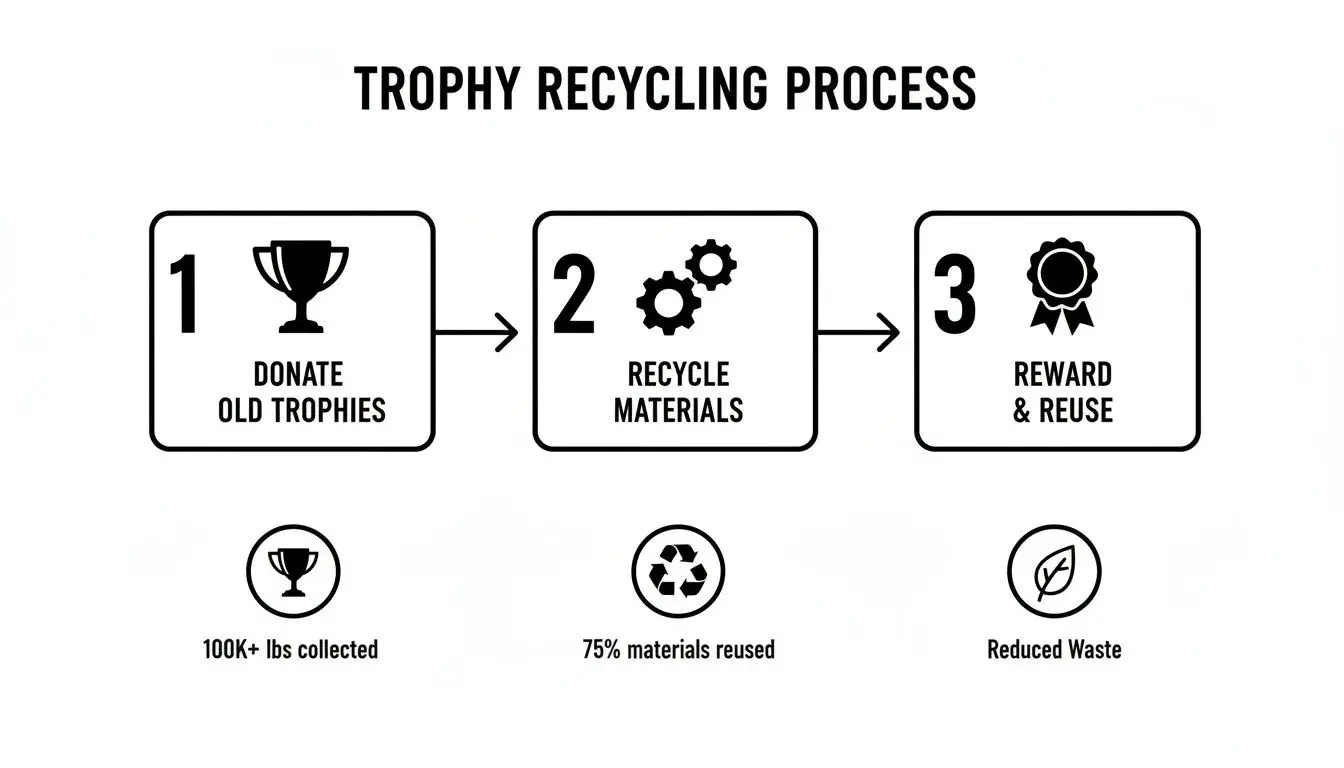
Learning from Parallel Industries
Believe it or not, the logistics of a trophy recycling program have a lot in common with the world of IT equipment disposal. Companies that specialize in IT asset disposition (ITAD) have perfected the art of efficiently and securely collecting retired assets from dozens, or even hundreds, of locations.
For instance, when a business needs a large-scale office cleanout, a partner like Reworx Recycling doesn't just pull up a truck. They coordinate scheduled pickups, provide secure containers for sensitive hardware, and maintain a documented chain of custody from the client’s office to the final processing facility.
That same level of detailed planning is exactly what your trophy program needs. Whether you're consolidating a few pallets of trophies from three major hubs or managing hundreds of individual boxes from remote employees, you need a defined process. To get a better handle on this, check out our guide on how to maximize efficiency with reverse logistics solutions.
A smart logistical framework is the engine that will power your nationwide trophy recycling program, making it both scalable and sustainable for years to come.
Processing Trophies and Finding Partners
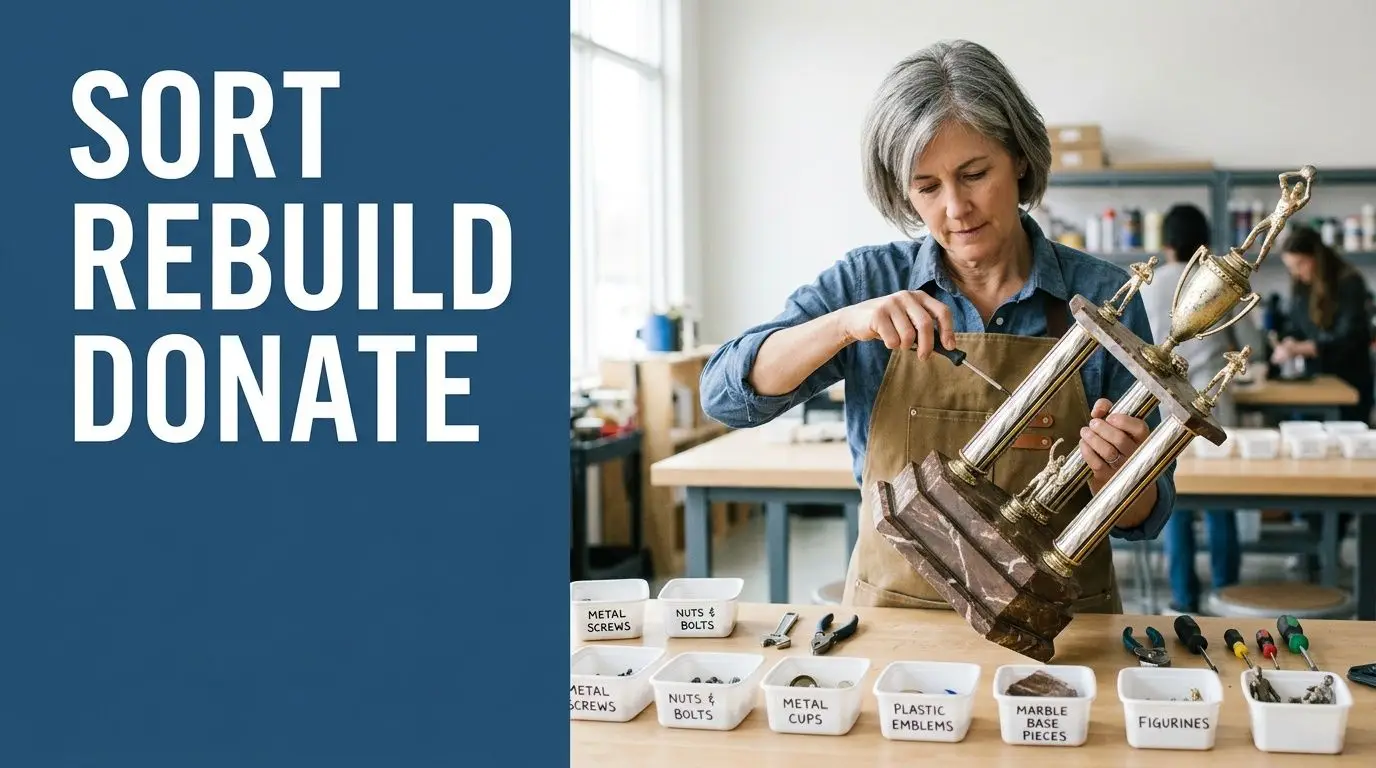
So, the trophies are rolling in. Your collection system is a well-oiled machine. Now what? This is where the real transformation happens, turning forgotten awards into valuable resources for communities that need them.
You’re now looking at two crucial paths that run side-by-side: the hands-on work of processing the awards and the strategic job of picking the right non-profit partners to receive them. Nailing both ensures your nationwide trophy recycling program doesn't just run smoothly but actually makes a difference.
The Art of Disassembly and Sorting
First things first, you have to take the trophies apart. This is a manual, hands-on process, and it’s a fantastic opportunity to get employees involved through volunteer days. It's amazing what a team can accomplish in an afternoon.
Each trophy needs to be broken down into its basic components. You'll quickly see a pattern:
- Marble or Stone Bases: These are the heaviest part of any trophy.
- Metal Components: Usually the small engraved plates and sometimes internal support rods.
- Plastic Figurines and Columns: The classic decorative pieces that make a trophy a trophy.
- Wooden Plaques: We sort these out separately to be handled on their own.
Every material type needs its own labeled bin. This careful sorting is the key to everything that follows, from rebuilding new awards to responsibly recycling the parts you can't use. It’s a lot like the precision required for IT equipment disposal—if you don't sort correctly upfront, you lose value down the line.
Rebuilding and Managing Your Inventory
With all the parts sorted, the fun part begins. Usable components like bases, columns, and figurines get cleaned up and inventoried. You don't need a complex system here; even a simple spreadsheet works wonders for tracking the quantity of each part.
This inventory becomes your "shop." Your team can pull from the organized stock of components to build high-quality, like-new trophies. The only new part you’ll likely need is a fresh, blank engraving plate, which makes this whole process incredibly sustainable and budget-friendly.
A well-run operation can achieve a staggering scale. For example, one 501(c)(3) program we know of processed over 55,000 trophies during the 2020 pandemic. Volunteers broke down every single one, cataloged the parts, and rebuilt tens of thousands of awards for underfunded groups. They diverted an incredible amount of marble (which makes up 60-70% of a trophy's weight), metal, and plastic from landfills. It's a powerful pay-it-forward model that shows what's possible.
Vetting and Choosing Your Non-Profit Partners
While your processing is underway, you also need to find the organizations that will receive these refurbished awards. The goal is to partner with groups whose missions resonate with your company's values. This is how you ensure the awards create genuine good in the world.
Think of it like choosing a non-profit for a corporate donation program involving IT gear—you want to maximize the community impact.
Your selection criteria should be clear and consistent. We recommend focusing on registered 501(c)(3) non-profits that serve communities who might not otherwise have access to these kinds of awards. Look for groups like:
- Youth sports leagues in low-income neighborhoods.
- After-school academic clubs and enrichment programs.
- Community centers celebrating local volunteers.
- Charities that recognize milestones for their participants.
To keep things organized, set up a simple online application form for non-profits to request trophies. This makes the distribution process fair and manageable. It's also a great way to collect stories and testimonials to showcase your program's impact. If you're new to vetting service providers, our guide on selecting a reliable e-waste recycling partner shares principles you can easily adapt here.
By pairing an efficient processing system with thoughtful partner selection, you close the loop, making sure every donated trophy gets a second chance to celebrate a new achievement.
Launching Your Program Outreach Campaign
You can have the most brilliant, perfectly planned program in the world, but it won't matter if nobody knows about it. Once your logistics are ironed out and your partners are on board, it's time to shift gears and focus on telling your story. Spreading the word about your nationwide trophy recycling program requires a thoughtful outreach campaign that gets everyone, from the mailroom to the C-suite, excited to participate.
Think of this campaign as having two distinct audiences: your internal teams and the wider community. Each group needs a slightly different message, but the goal is the same—to make participation feel simple, meaningful, and incredibly rewarding.
Rallying Your Internal Teams
Your own employees are your secret weapon. They are your first, and most critical, audience. If you can get them fired up about this initiative, their energy will be contagious and drive the program's success from the inside out. This is their chance to be part of something bigger than just their day-to-day tasks.
Here are a few proven ways to get the message out internally:
- Kick Things Off from the Top: Start with a company-wide email from leadership. This isn't just another memo. It should explain the why—the environmental impact and community benefits—before diving into the how with simple, clear instructions for dropping off or mailing in old trophies.
- Use Your Digital Real Estate: Your company intranet is invaluable. Set up a dedicated page with FAQs, a map of drop-off locations with hours, and a link to generate mail-in labels. Use vibrant, eye-catching banners on the homepage to keep the program top-of-mind.
- Make it Visual: If you have digital screens in lobbies, break rooms, or high-traffic hallways, use them. A simple, bold graphic with a message like "Got Old Trophies? Give Them a Second Life!" is surprisingly effective.
The trick is consistency. You want to build a steady drumbeat of communication in the weeks leading up to the launch and keep that momentum going.
Reaching the Outside World
While getting your team on board is the first step, communicating externally is what transforms your program from an internal project into a powerful statement about your brand. It's a tangible way to show customers, partners, and the public that your commitment to sustainability is real. This kind of initiative showcases your dedication to corporate social responsibility, which is a massive factor for any modern business. If you're curious, you can read also about how datacenter equipment donations build corporate social responsibility.
To reach the external community, try these channels:
- Send Out a Press Release: Draft a press release for local media outlets and industry publications. Make sure to highlight the program's launch, name your non-profit partners, and emphasize the dual goals of environmental stewardship and community support.
- Create a Social Media Buzz: Use platforms like LinkedIn to tell the story visually. Post photos of your custom collection bins, share short testimonials from employees, and give shout-outs to your non-profit partners. A unique hashtag, like
#YourCompanyRecyclesTrophies, helps you track engagement and build a community around the effort. - Leverage Your Partnerships: Ask your non-profit partners to share the program in their newsletters or on their own social media channels. This kind of cross-promotion is authentic, expands your reach, and strengthens the partnership.
The Power of Storytelling and a Simple Start
Your messaging shouldn't get bogged down in the nuts and bolts. Focus on the impact. Storytelling is your most powerful tool. Don't just say "we recycle trophies." Show people the journey.
Think about that old, dusty sales award from 2005 sitting in someone's garage. Tell its story: show it being dropped off, disassembled by volunteers, rebuilt into a gleaming new trophy, and finally presented to a kid who just won their very first championship at the local youth center. That narrative transforms the abstract act of "recycling" into a tangible, emotional story.
Finally, make it ridiculously easy for people to join in. Whether they're dropping off a box of trophies at the office or mailing a single award from their home, the process should be foolproof. Create a simple one-page guide—heavy on pictures, light on text—that walks them through the steps. When you remove friction and connect the action to a powerful purpose, you turn a simple collection drive into a source of genuine company-wide pride.
Measuring Impact And Reporting Success
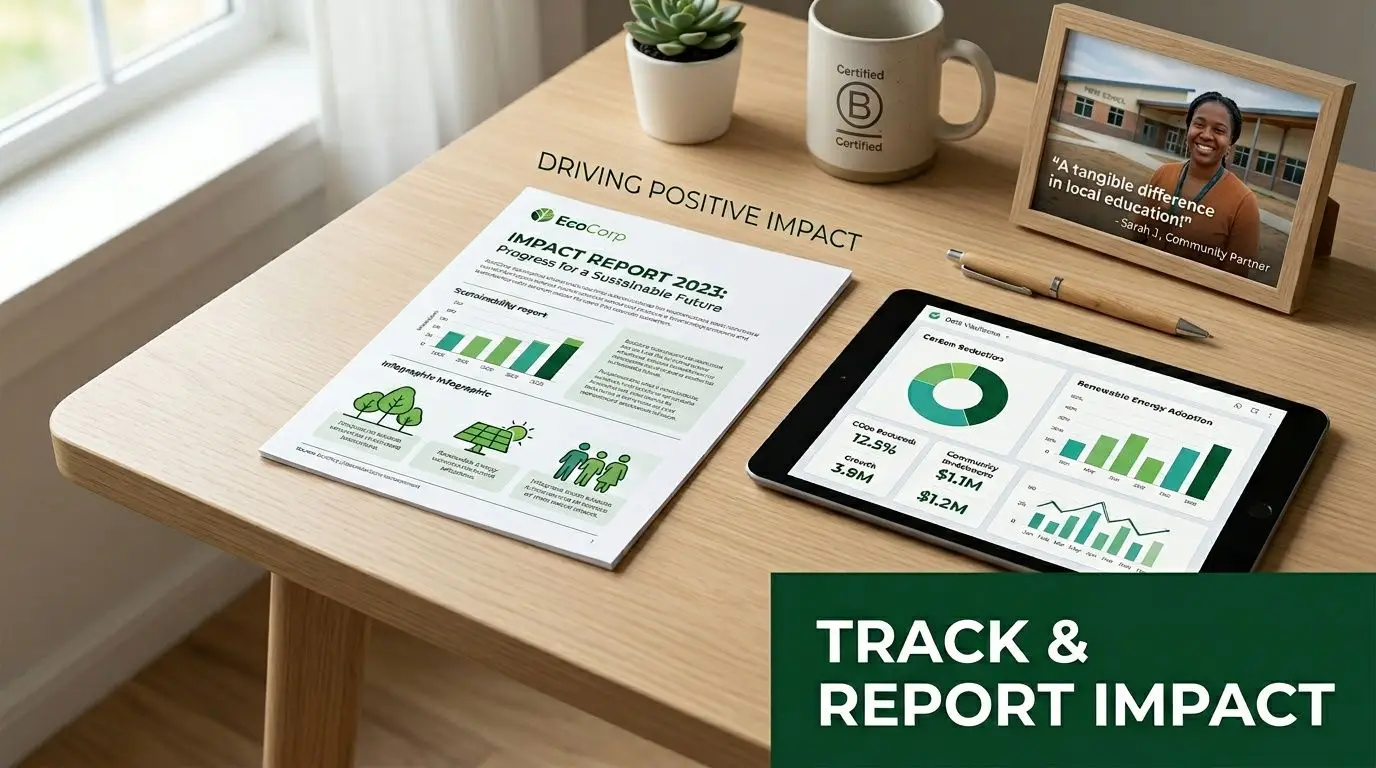
If you're going to invest time and resources into a sustainability program, you need to prove it's working. A nationwide trophy recycling initiative is no exception—its true value shines through when you have clear, compelling data to back it up. Good reporting isn't just about accountability; it’s how you build momentum, justify the budget, and get more people excited to participate.
We see this all the time in the world of IT Asset Disposition (ITAD). No one would greenlight a project for data center decommissioning or medical equipment disposal without a detailed report confirming that data was destroyed and materials were handled responsibly. You should bring that same level of rigor to your trophy program. Tracking the right numbers will paint a full picture of the good you're doing.
Defining Your Key Performance Indicators
First things first, you need to decide what success actually looks like. That means setting Key Performance Indicators (KPIs)—the specific, measurable data points that will tell your program's story. A solid set of KPIs should cover both environmental wins and the positive social outcomes you're creating.
Here are the must-have metrics every program should be tracking:
- Total Weight Diverted: This is your primary environmental number. Track the total weight of all trophies and award materials collected, usually in pounds or tons. It's a direct measure of how much waste you’ve kept out of landfills.
- Number of Trophies Collected: While weight is key, the raw number of individual awards tells a powerful story about engagement across your company.
- Number of Refurbished Trophies Donated: This metric directly links your program to community impact. It shows exactly how many awards got a second chance to celebrate a new achievement.
- Number of Non-Profit Partners Supported: Tracking how many different organizations receive your donated trophies highlights the broad reach of your community support.
A powerful story isn’t just in the numbers, but in the narrative they create. Reporting that you diverted 2,500 pounds of material is good. Reporting that you diverted 2,500 pounds by collecting 1,200 trophies that were then rebuilt to support 15 different youth sports leagues is unforgettable.
Building Your Impact Dashboard
Once you know what you’re measuring, you need a simple way to track it all. An impact dashboard, even one built in a basic spreadsheet, can act as the central source of truth for your program. This makes it incredibly easy to pull numbers for leadership updates, employee communications, and your annual sustainability report.
Here’s a sample framework to give you an idea of what your own KPI dashboard could look like.
Trophy Recycling Program KPI Dashboard
| Metric | Description | Example Target (Quarterly) | Reporting Frequency |
|---|---|---|---|
| Waste Diverted (lbs) | Total weight of all collected trophies, plaques, and medals prevented from entering the landfill. | 500 lbs | Monthly & Quarterly |
| Units Collected | The total count of individual trophy and award items collected nationwide. | 250 units | Monthly & Quarterly |
| Trophies Donated | Number of refurbished trophies distributed to vetted non-profit partners. | 200 units | Quarterly |
| Partners Supported | The cumulative number of unique 501(c)(3) organizations that have received awards. | 5 new partners | Annually |
| Volunteer Hours | Hours contributed by employees for sorting, disassembly, and rebuilding activities. | 40 hours | Quarterly |
Having this data ready makes reporting a breeze and demonstrates the program’s value at a glance.
The Power of Qualitative Data
Hard numbers are crucial, but stories are what truly connect with people. Your reporting should always mix in qualitative feedback to put a human face on your impact. These personal accounts are what turn abstract data points into tangible, emotional proof that the program matters.
Make a point to gather testimonials from your non-profit partners. A quote from a youth soccer coach about the look on a child’s face when they receive their very first trophy is more powerful than any statistic alone. This approach mirrors other CSR initiatives—understanding the benefits of e-waste recycling goes beyond environmental metrics to include real community impact.
When you combine hard data with compelling stories, your reporting will do more than just validate your nationwide trophy recycling program. It will build a rock-solid foundation for all your future sustainability efforts.
Common Questions About Corporate Trophy Recycling
Thinking about launching a nationwide trophy recycling program? It’s a fantastic way to bring your company’s sustainability goals to life, but we know it brings up a lot of practical questions. We’ve guided countless companies through this process, and here are the answers to the questions that come up most often.
What’s the Real ROI on a Program Like This?
Beyond the obvious environmental benefits, the biggest returns are in your brand’s story and your team’s morale. A program like this is a powerful, visible symbol of your commitment to Corporate Social Responsibility (CSR), the circular economy, and your community.
It’s the kind of initiative that gets employees genuinely excited to participate. It also makes your company stand out to customers, investors, and potential new hires who want to align with businesses that take real action.
Think of it like choosing a partner such as Reworx Recycling for your IT equipment disposal. You’re not just getting rid of old hardware; you're turning an operational task into a positive story that builds brand value and supports community-focused initiatives like technology donations and workforce development.
How Do We Manage Logistics Across Multiple Locations?
For a company with a national footprint, a hybrid model is almost always the most successful approach. The goal is to make it easy for everyone to get involved, whether they’re at a major campus or working from a home office.
- Centralized Collection Hubs: At your larger regional offices, set up designated drop-off bins. Placing them in high-traffic spots like lobbies, cafes, or break rooms keeps the program top-of-mind and makes participation effortless.
- Mail-In Program: For remote staff and smaller satellite offices, a simple mail-in option is key. We recommend creating a page on your company intranet where an employee can quickly download a pre-paid shipping label. This removes any cost or logistical hurdles for them.
This combined strategy is very similar to how large-scale IT Asset Disposition (ITAD) programs work. They use a mix of scheduled pickups for big offices and secure mail-in kits for smaller sites, ensuring nothing gets left behind.
What Kind of Non-Profits Make the Best Partners?
The best partners are usually registered 501(c)(3) organizations that are deeply embedded in their communities and often operate on tight budgets. These are the groups where refurbished awards can make a truly meaningful impact.
We’ve seen fantastic results with groups like:
- Youth sports leagues
- After-school academic clubs
- Community centers that honor local volunteers
- Charities celebrating participant milestones in recovery or training programs
A great tip is to create a simple application process. A short online form lets non-profits officially request trophies, which helps you manage demand and ensure a fair, transparent distribution. It's also a perfect way to collect heartwarming stories for your impact reports.
Choosing partners whose missions resonate with your own company values is what transforms this from a recycling program into a true community partnership.
How Much Does It Cost to Run a Program Like This?
The costs are very manageable, and smart planning can reduce them even further. Your main expenses will be shipping for the mail-in portion, some potential storage for sorted materials, and minor supplies like new engraving plates for refurbishment.
But there are plenty of ways to keep those costs down.
You can often tap into your company's existing corporate mail accounts to get better shipping rates. A huge cost-saver—and a fantastic team-building activity—is to organize employee volunteer days for sorting and disassembly.
When you weigh these minimal costs against the incredible value you get in brand reputation, employee pride, and positive community impact, the return is undeniable. A nationwide trophy recycling program is one of the most cost-effective ways to make a tangible, positive difference.
Ready to enhance your corporate responsibility initiatives? Whether you need secure computer recycling, a comprehensive office cleanout, or a partner for your corporate donation programs, Reworx Recycling can help. As a social enterprise, we turn your retired assets into opportunities for environmental stewardship and community support. Schedule a pickup or contact us today to learn how we can create a customized, sustainable solution for your business. Visit our Recycling Blog to learn more.