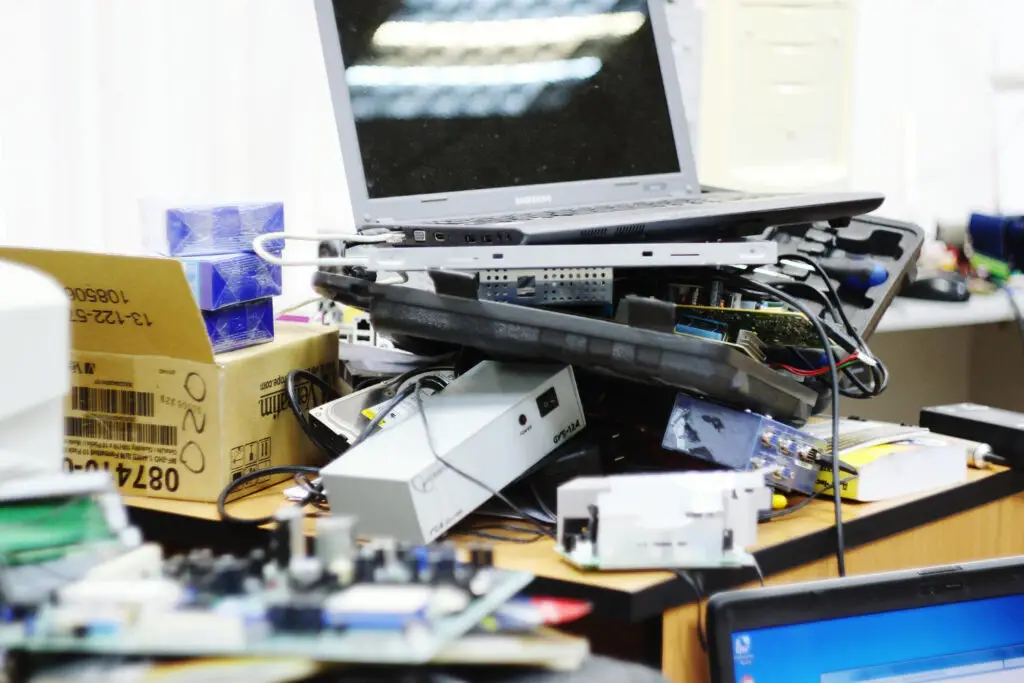
Giving old office equipment a proper farewell isn’t just about clearing out some space. It’s key to maintaining an efficient and forward-thinking workplace. As businesses grow and technology changes, outdated equipment needs to be safely and responsibly removed. Decommissioning office equipment involves planning and proper e-waste disposal, ensuring compliance with environmental standards and protection of sensitive data. By understanding effective decommissioning methods, businesses can significantly reduce clutter and environmental impact.
Efficient e-waste disposal is vital for modern businesses aiming to leave a minimal carbon footprint. Whether you’re upgrading systems or clearing an entire office, understanding how to demystify the process aids in better organization and cost management. This article will explore practical methods to efficiently decommission office equipment, highlighting e-waste disposal practices, especially relevant for businesses in Sacramento and similar urban settings.
Planning the Decommissioning Process
Proper planning is the backbone of efficiently decommissioning office equipment. Starting with an assessment of the equipment inventory is crucial. This ensures all items are accounted for and categorized based on their use, functionality, and disposal needs. It’s helpful to create a comprehensive list that details each piece of equipment, its current condition, and any data it contains. This step not only streamlines the process but also helps in prioritizing which items need immediate action.
Next, outline a timeline for the decommissioning process. This timeline will guide actions and help allocate resources effectively. It should consider the time required for data wiping, physical removal of equipment, and coordination with recycling providers. Prioritizing tasks according to the timeline ensures everything moves smoothly without any last-minute scramble.
Assigning clear responsibilities within the organization can also simplify the decommissioning process. This includes selecting team members to oversee inventory checks, data management, and logistics. When roles are clearly defined, there’s less room for confusion. For instance, appoint someone to liaise with certified recycling partners to ensure equipment is disposed of efficiently and in an eco-friendly manner. By getting the right plan in place, the whole process becomes more manageable and less stressful.
Safely Managing Data and Sensitive Information
A key concern when decommissioning office equipment is securely handling data. Ensuring that all sensitive information is irretrievably wiped is paramount. Begin by identifying devices that store sensitive information, such as computers, servers, and external drives. Use reliable software tools to wipe data completely, making recovery impossible.
– Start by backing up any crucial data that’s still needed.
– Use data-wiping software to remove all traces of information from each device.
– Ensure multiple passes for an extra layer of security.
Working with professionals who specialize in secure data destruction can make this process easier and more foolproof. These experts not only help clear data but also provide peace of mind, ensuring your sensitive information doesn’t end up in the wrong hands.
Environmentally Friendly Disposal Methods
Disposing of office equipment in an eco-friendly way plays a significant role in reducing e-waste’s environmental impact. Partnering with certified recycling companies helps ensure your electronics are disposed of properly, without harming the planet. These companies follow strict guidelines to recycle components safely and responsibly.
Various options for disposing of different types of equipment include:
1. Computers and printers can be taken apart, with parts being reused or recycled.
2. Old cell phones and batteries should go to facilities equipped to handle hazardous materials.
3. Networking equipment can often be refurbished and repurposed.
By choosing responsible disposal methods, you contribute towards a healthier environment and show a commitment to sustainable business practices.
Donations and Repurposing
While recycling is crucial, not all old equipment is destined for the scrap heap. Some items can find a second life through donation or repurposing. First, identify equipment still in good condition that could be useful to others. Organizations like schools or non-profits often appreciate donations of functioning technology, which can help them expand their resources.
For those items that can’t be donated, consider repurposing. Some components can be used in-house for different purposes, avoiding unnecessary purchases and giving them a new lease on life. This approach extends the useful life of technology and reduces waste significantly.
Proper Documentation and Reporting
Keeping meticulous records is essential during the decommissioning process. Document what’s being disposed of, when, and how, to track everything from start to finish. This practice ensures accountability and makes audits or reporting much simpler.
Incorporate these elements into your documentation:
– Inventory lists for equipment being disposed of.
– Certificates from recyclers verifying safe and eco-friendly disposal.
– Reports on donated items containing details of recipients and the condition of donated equipment.
Good documentation not only supports regulatory compliance but also highlights your organization’s commitment to responsible e-waste management.
Embracing Sustainable Practices
Cultivating a culture of sustainability within your organization goes beyond just equipment disposal. Implementing long-term strategies for reducing e-waste helps in maintaining an eco-friendly workplace. Initiate practices that reduce consumption, promote reuse, and encourage recycling among employees.
By optimizing equipment purchases, using energy-efficient technology, and setting clear guidelines for disposal and recycling, businesses can build a sustainable framework. Embracing these sustainable practices not only saves money and resources but also fosters a conscientious corporate environment. These efforts ultimately strengthen the organization’s commitment to sustainability and ensure an efficient decommissioning process that benefits everyone involved.
Explore solutions for e-waste disposal in Sacramento through ReWorx Recycling to ensure safe and environmentally responsible practices. Choose an approach that supports your sustainability goals while keeping your workspace organized and efficient.