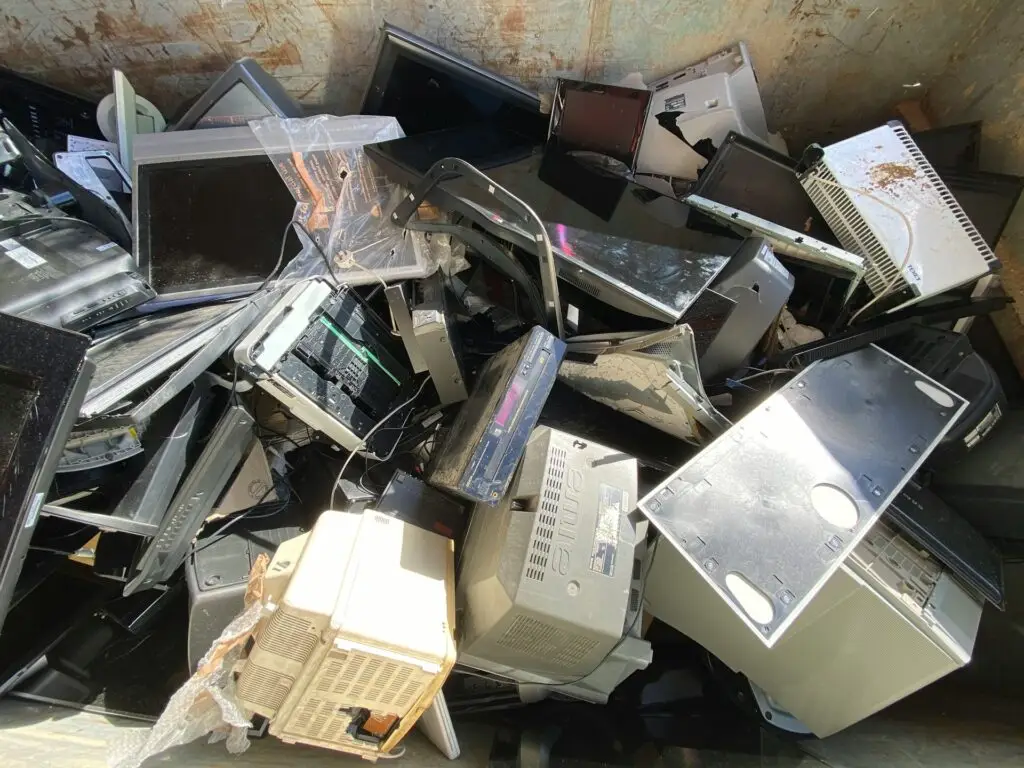
Handling e-waste in an office environment is a task that grows more complex as technology advances. Offices are filled with gadgets and devices, constantly updating equipment as newer models emerge. This leads to a build-up of outdated or broken electronics, all of which qualify as electronic waste or e-waste. Proper management of this waste is critical, not just for minimizing clutter, but also for focusing on eco-friendliness and sustainability.
Recycling e-waste properly can have numerous positive impacts for businesses. It ensures compliance with environmental regulations, safeguards sensitive data, and shows a commitment to sustainability. In a city like Atlanta, where e-waste recycling is becoming more accessible, businesses can lead by example. By adopting best practices for managing office e-waste, companies can significantly reduce their environmental footprint and streamline operations.
Assessment of Office E-Waste
Before outlining solutions, it helps to assess what constitutes e-waste within an office setting. Desktops, laptops, printers, and cell phones are usual suspects. But smaller items like old fax machines, external hard drives, and even batteries also contribute to the e-waste pile when they outlive their usefulness.
Let’s explore why offices often accumulate so much e-waste. One major reason is the fast pace of technological upgrades. Companies often replace equipment to stay updated with the latest software or for improved performance. However, this frequent turnover isn’t always complemented by proper disposal strategies, leading to old devices simply gathering dust in storage.
The environmental impact of improper disposal is serious. When electronic devices end up in landfills, they release toxic substances that seep into the ground, contaminating soil and water. This poses risks not just to the environment but also to community health. Understanding the breadth of e-waste in your office sets the stage for more responsible management.
Best Practices for Office E-Waste Recycling
To tackle e-waste responsibly, every office can adopt certain best practices that make a big difference. By setting up simple plans, businesses can transition from chaos to clarity in handling electronic waste.
1. Create a Plan: Start by drafting an office-wide e-waste recycling strategy. Identify what items typically become waste and set a collection routine.
2. Designate Drop-off Points: Ensure employees know where to bring items for recycling. Clear signage and convenient locations make it easy for everyone to participate.
3. Educate Employees: Provide information on why proper disposal is important and how they can contribute. Awareness sessions and informative emails can go a long way.
4. Monitor Progress: Keep track of what you collect and recycle. This helps improve your processes and showcases your commitment to sustainability.
Defined practices help people in your office understand that recycling e-waste is a vital part of daily operations. Engaging employees in these processes boosts participation and fosters a culture of responsibility and care for the environment.
Partnering With Professional E-Waste Recyclers
Finding a trusted partner for e-waste recycling can greatly benefit your office. One of the main advantages of professional services is their expertise in safely handling hazardous materials. This not only helps avoid hefty fines for improper disposal but also assures that discarded electronics are handled properly. A professional team ensures sensitive data is destroyed securely, reducing any risks related to data breaches.
When choosing a recycling service, consider certain qualities. Check if they have certifications indicating they follow industry standards for safe e-waste handling. Reading reviews and gathering feedback from other businesses is also useful. Ensure they offer a service plan that fits your office’s size and needs, ensuring smooth and efficient operation. Engaging with certified recyclers guarantees environmental standards are upheld, further protecting both your company and the community.
Tips for Reducing Office E-Waste
Reducing the amount of e-waste an office generates can be simpler than it seems. Here are a few useful strategies:
– Use Energy-Efficient Electronics: Opt for devices certified for their energy efficiency. They consume less power and tend to last longer, which can lead to less waste over time.
– Set Up Donation Programs: Before recycling electronics, see if there are options to donate them. Many devices could still be valuable for non-profits or educational institutions.
– Foster a Repair and Reuse Culture: Encourage employees to repair equipment rather than discarding it at the first sign of trouble. Having a team or service that manages repair tasks can significantly reduce unnecessary turnover.
Promoting these practices not only reduces waste but also fosters a workplace culture that values sustainability and responsible resource usage.
Sustainable Office Practices
Achieving a more sustainable office environment isn’t just about recycling. It’s about embedding eco-friendly practices into daily operations. Consider drafting policies supporting the reduction of e-waste from the get-go. This could involve regularly updating procurement policies to include criteria for sustainability and longevity when purchasing new devices.
Exploring green certifications for your office provides tangible benefits. These certifications often come with guidelines that naturally reduce waste and bolster the company’s eco-friendly image. Another significant step is actively involving employees in sustainability goals, possibly through workshops or initiatives that present e-waste reduction challenges. When everyone takes part in reducing waste, it builds a stronger team focused on preserving our planet.
Making Office E-Waste Recycling a Habit
For e-waste recycling to become second nature, it must be seamlessly integrated into daily routines. Start with simple steps like setting reminders or sending regular emails to ensure everyone knows when and where to dispose of their electronics. Creating milestones for the office’s recycling achievements keeps everyone motivated. Celebrate these milestones by acknowledging the collective effort and even offering small incentives.
Sharing success stories internally can boost morale and encourage continued participation. When employees see the tangible outcomes of their efforts—like the amount of e-waste collected or positive feedback from donation recipients—it reinforces the value of their actions. This approach supports environmental benefits and cultivates a mindful workplace where sustainable habits are the norm.
Integrating eco-friendly practices and responsibly recycling your office’s electronics are big steps toward reducing your environmental impact. If you’re ready to get started with e-waste recycling in Atlanta, reach out to ReWorx Recycling. They offer reliable, secure services to help your business dispose of electronics the right way, so nothing ends up in a landfill.