That back room is probably full right now. Old laptops from the last refresh. A few dead monitors. A printer nobody wants to move. Maybe a retired server sitting on a shelf because nobody wants to be the person who throws out a device that still holds company data.
If you manage a business in Glen Rock, that pile is no longer just a housekeeping problem. It's a compliance issue, a data security issue, and an operations issue. The Glen Rock Recycling Center is useful for basic recycling needs, and for residents it plays an important local role. But if you're dealing with business electronics recycling, IT equipment disposal, office cleanout planning, or broader IT asset disposition, you need a stricter standard.
Use the local center for what it's designed to do. Don't force it into an ITAD role it doesn't publicly document. For businesses, especially those handling employee records, client files, or regulated information, the smarter move is to follow a documented process from inventory through secure disposition. If you need a starting point for planning, this guide to efficient office electronic recycling steps is a practical checklist.
Your Office Cleanout Starts Here
A typical Glen Rock office cleanout starts with the wrong question. Teams frequently ask, “Where can we drop this stuff off?” The better question is, “What's in these devices, who's responsible for the chain of custody, and how do we document the outcome?”
That distinction matters. A desktop tower isn't just scrap metal. A laptop disposal project isn't just about clearing square footage. A server, copier hard drive, or staff laptop can contain payroll records, saved credentials, customer documents, and internal emails. Once you view the project through that lens, basic drop-off stops being enough for many organizations.
Start with asset triage
Before anyone loads a vehicle, split your inventory into three groups:
- Standard recyclables such as cardboard, paper, bottles, and cans.
- Low-risk electronics that still need responsible computer recycling.
- Data-bearing assets such as laptops, desktops, drives, servers, and multifunction devices.
Keep those categories separate. Mixing them creates confusion, slows decisions, and increases the chance that somebody disposes of a sensitive device without approval.
Practical rule: If a device can store data, treat it as a security-controlled asset until you have documented destruction or sanitization.
Don't confuse local convenience with business readiness
The Glen Rock Recycling Center is a legitimate local resource for core material streams. That doesn't automatically make it the right answer for corporate donation programs, secure data destruction, data center decommissioning, medical equipment disposal, or product destruction. Business managers need documentation, repeatable handling, and pickup options that fit operating hours.
That's why your first move should be process design, not disposal. Build the inventory. Assign internal ownership. Separate basic recycling from IT asset disposition. Then choose the right downstream path for each category.
Glen Rock Recycling Center Essentials for 2026
For basic recycling questions, here are the details that matter most. The Glen Rock Recycling Center is located at 350 Doremus Ave, Glen Rock, NJ 07452, identified in Borough materials as Lot 4.02, Block 46.
For a separate overview of local drop-off options and how they compare with broader service models, this overview of a recycling drop-off center is helpful context.
Hours and access
According to the Borough's recycling system page, in 2026, the Glen Rock center operates Monday, Tuesday, Thursday, Friday, and Saturday from 8am to 3pm, and is closed Wednesday and Sunday. The same page states that dump tickets cost $250 for a book of 10 and must be purchased at the DPW Office at 473 Doremus Avenue from 8am to 1pm for non-curbside disposal, a setup primarily designed for residents (official Glen Rock recycling system details).
That matters for planning. If your staff is trying to manage a facility cleanout or large-volume laptop disposal, limited public hours and an in-person ticketing process can create operational friction fast.
What the center accepts
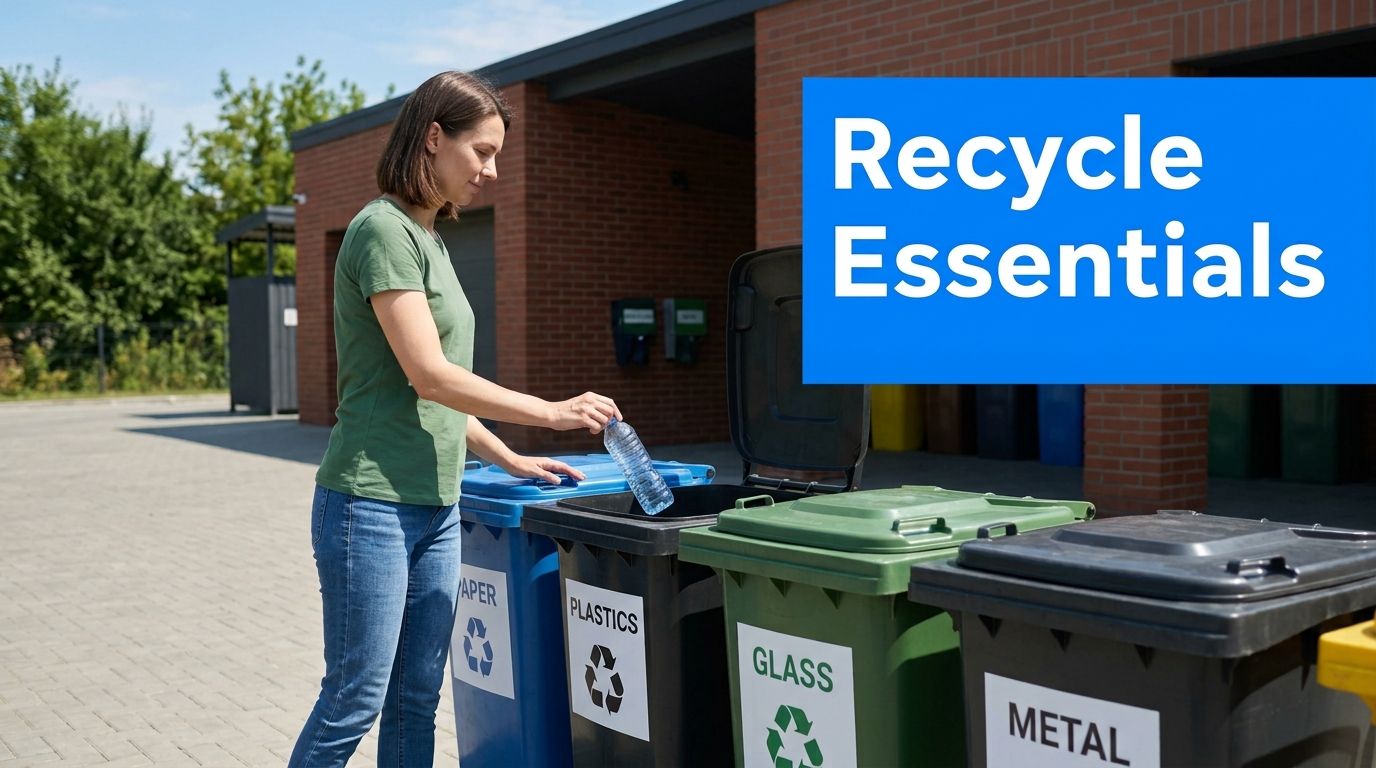
The Borough ordinance and recycling system materials identify accepted recycling categories that include:
- Ferrous scrap and white goods
- Aluminum
- Glass containers
- Plastic containers
- Corrugated cardboard
- High-grade paper
The local system also uses a curbside sort recycling system with color-coded pails, and the published recycling guidance specifies compatibility for plastic symbols #1, #2, and #5 and glass colors flint, amber, and emerald. Styrofoam is excluded except during specific scheduled times, which tells you the center prioritizes clean, pre-sorted material streams.
Don't mix up recycling and compost operations
There's also a clear split between the Recycling Center and the Compost Center. Borough guidance says the Compost Center accepts only clean soil and rocks with vegetative materials, while vegetative waste goes to the main Recycling Center. That separation is strict for a reason. It reduces contamination and keeps streams manageable.
For households and simple material disposal, that system works. For business electronics recycling, it's only the starting point.
Navigating Business Recycling and Compliance in Glen Rock
If you run a company in Glen Rock, local recycling isn't voluntary housekeeping. It's a documented obligation.
The Borough ordinance requires commercial entities to source-separate recyclables and maintain monthly records showing material types, volumes, purchaser details, and dates for submission to the Borough. That makes recycling compliance auditable, not informal (Glen Rock Borough recycling ordinance).
What business managers should do now
Treat this as an operating control, not a side task for whoever has time. Your team should have a simple internal workflow for paper, corrugated paper, glass, aluminum cans, tin cans, and plastic containers. If nobody owns the recordkeeping, your company is exposed.
A clean compliance process usually includes:
- Named ownership: Assign one person in facilities, operations, or sustainability to own monthly documentation.
- Separated streams: Keep regulated recyclables out of general trash from day one.
- Purchaser tracking: Store receipts, pickup records, and material summaries in one place.
- Monthly review: Don't wait until the Borough asks for records.
Businesses get into trouble when recyclable materials leave the site without a paper trail. The issue usually isn't intent. It's missing documentation.
Why logistics matter
Recycling compliance often overlaps with space planning and relocation. If your team is also moving offices, vendors that understand business removal workflows can help coordinate timing. For example, these Perth office removalist services illustrate the broader principle: a move goes smoother when transport, packing, and disposal decisions are planned together instead of handled as last-minute errands.
For more specialized regulated streams beyond standard recyclables, it also helps to understand broader universal waste management practices so you don't mix ordinary office waste with items that need tighter controls.
The E-Waste Gap Secure Data Destruction
Many Glen Rock businesses often make the wrong call. They assume that if a local center accepts some recyclable materials and offers paper shredding, it's close enough for electronics. It isn't.
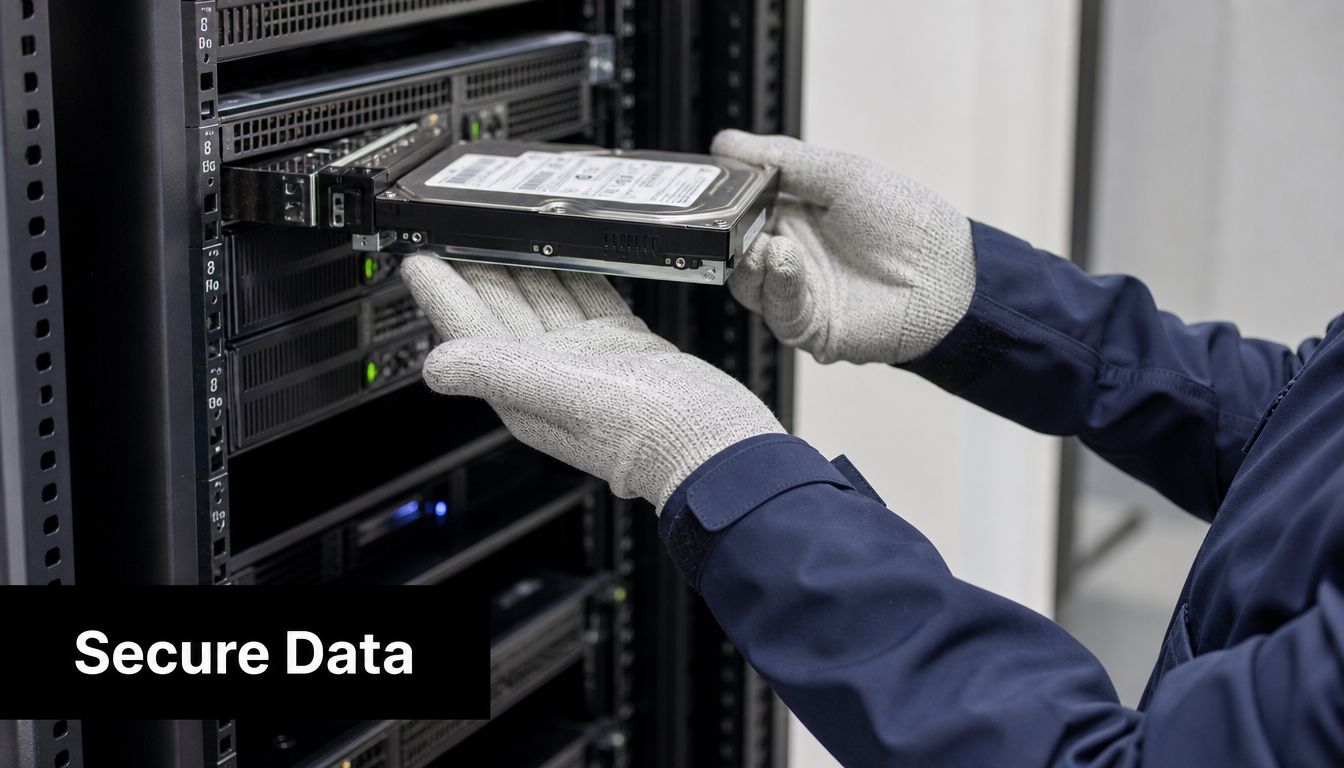
The public information available for the Glen Rock Recycling Center shows mobile paper shredding, but there is no public documentation on hard drive shredding or certified data sanitization for electronics. That gap matters because 43% of recycled laptops still contain recoverable data, as cited in the verified background tied to Glen Rock content (documented service gap and data recovery risk).
Why paper shredding doesn't solve device risk
Paper shredding protects paper. It tells you nothing about the disposition of SSDs, hard drives, backup media, or embedded storage inside office equipment. A copier, firewall, point-of-sale system, medical workstation, or retired laptop can all hold data.
If your organization handles employee records, legal files, patient information, donor records, or customer contracts, you need a process that answers these questions:
| Question | What your team should require |
|---|---|
| Did the device contain data? | A documented asset review before release |
| Was the data removed or destroyed? | A clear sanitization or destruction method |
| Who handled the asset? | Chain-of-custody accountability |
| Can you prove the outcome? | Certificates and reporting tied to the asset |
What a business-grade standard looks like
For secure data destruction, businesses usually look for documented workflows aligned with recognized practices such as NIST 800-88, especially when drives, laptops, and servers are involved. If a vendor publicly emphasizes secure data destruction services, that's the level of specificity you should expect.
You should also pressure-test your own internal assumptions. A useful example comes from adjacent industries dealing with sensitive customer records. This guide on protecting estate sale customer data is not about ITAD specifically, but it reinforces the same operational truth: once customer information leaves controlled handling, your risk rises quickly.
If a recycler can't explain how data-bearing devices are secured, sanitized, or destroyed, don't hand over the devices.
Where businesses go wrong
Most failures happen before disposal. Someone grabs a stack of old laptops during an office cleanout, assumes they were wiped years ago, and sends them out with general recycling. That's a process failure, not a recycling success.
For Glen Rock companies, the practical recommendation is simple. Use the local center for basic, clearly accepted material streams. For data-bearing electronics, require a dedicated ITAD workflow with documented destruction standards. Anything less is avoidable risk.
Beyond Drop-Off A Solution for Bulk IT Assets
The second major problem isn't security. It's logistics.
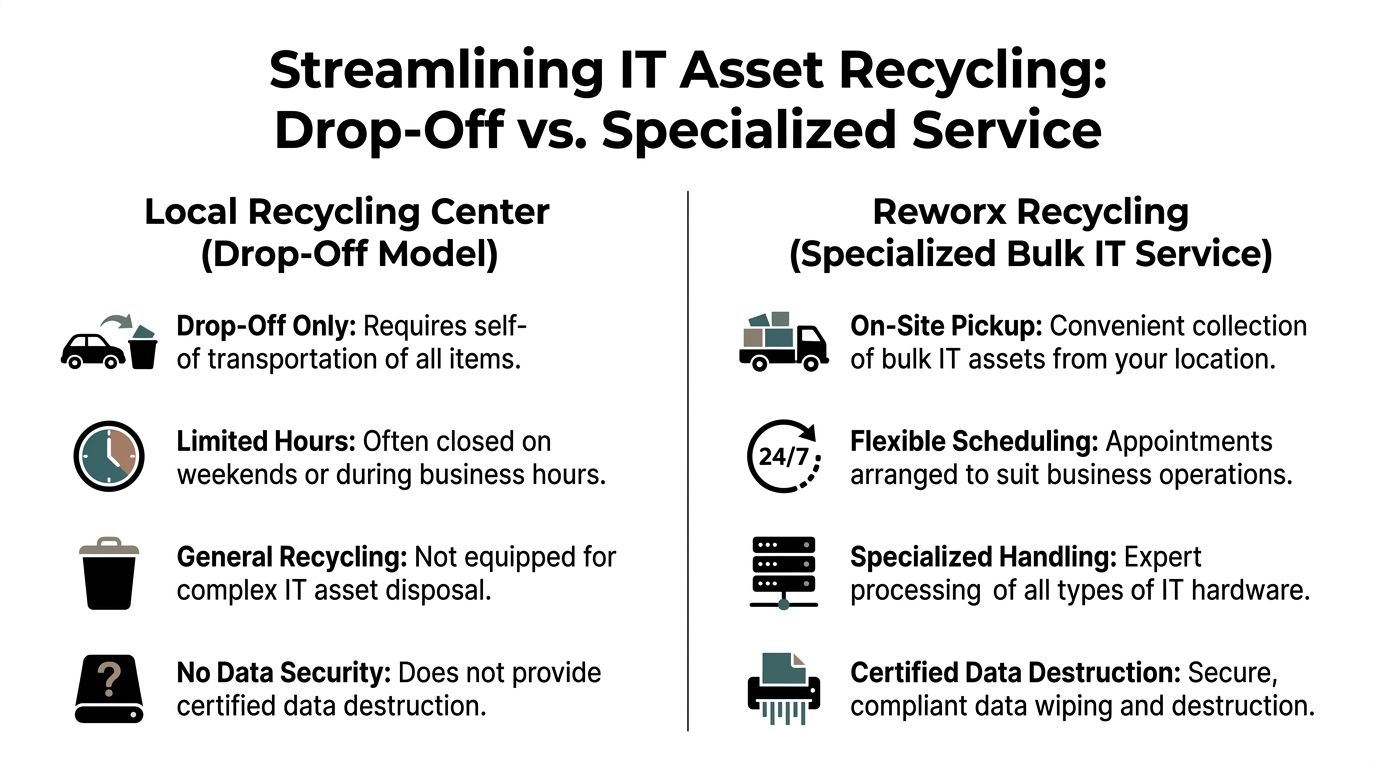
Even if your team knows which devices need tighter handling, the Glen Rock Recycling Center still operates as a residential drop-off model with limited public hours. Public information does not include business pickup services, decommissioning support, or reverse logistics for bulk IT asset disposition, and the verified gap analysis notes that 68% of SMBs struggle with end-of-life hardware removal (Glen Rock compost and recycling department information).
Drop-off breaks down at business scale
A few bags of recyclables are one thing. A technology refresh is something else entirely. Once you're dealing with palletized equipment, storage closets full of retired laptops, surplus networking gear, or a phased office shutdown, self-transport becomes inefficient and risky.
Here's the practical difference:
| Need | Local drop-off model | Business ITAD model |
|---|---|---|
| Transport | Your staff handles it | Scheduled pickup from your site |
| Timing | Fixed public hours | Coordinated around business operations |
| Asset tracking | Minimal public-facing detail | Serialized inventory and reporting |
| Decommissioning | Not publicly outlined | Planned removal and equipment handling |
| Scale | Best for smaller resident loads | Built for office cleanout and bulk loads |
What business leaders should require
If you're replacing equipment across a department or preparing for a move, don't make your office manager improvise reverse logistics in a personal vehicle. Set expectations up front.
Look for these capabilities:
- On-site pickup: Your team shouldn't need to self-haul servers, desktops, and monitors.
- Decommissioning support: Equipment should be disconnected, staged, and removed under a defined process.
- Asset reporting: You need records for audit, internal controls, and sustainability reporting.
- Flexible service scope: One vendor should be able to support computer recycling, laptop disposal, product destruction, and data center decommissioning where needed.
A disciplined IT asset disposition strategy helps avoid the common pattern of storing obsolete hardware for months because no one has a scalable removal plan.
Bulk electronics recycling fails when companies treat it like weekend decluttering. It's an operational project and should be managed that way.
The smart dividing line
Use public drop-off infrastructure for basic community recycling. Use a specialized business process for office technology, secure media, and surplus equipment. That line should be firm, especially for schools, medical offices, multi-site organizations, and any team managing recurring refresh cycles.
Partnering for Sustainable Impact and Social Good
The disposal decision also shapes your sustainability story. If your organization cares about sustainable recycling, social enterprise recycling, and community outcomes, the best recycling partner won't just clear equipment. They'll help you turn retired technology into a documented social and environmental win.

Donation-based recycling stands out here. Instead of viewing every retired asset as waste, businesses can evaluate whether equipment fits reuse, donation, refurbishment, or responsible dismantling. That approach supports corporate donation programs while keeping useful technology in circulation longer.
What stronger partnerships deliver
A stronger recycling relationship helps businesses do more than stay tidy:
- Environmental responsibility: More equipment stays out of landfill pathways.
- Community value: Donation-based programs can support digital inclusion goals.
- Internal credibility: Sustainability leaders get a clearer narrative for ESG and CSR reporting.
- Operational relief: Facilities and IT teams spend less time chasing one-off disposal decisions.
For organizations that want that broader impact, a mission-led model matters. That's why business leaders should pay attention to partnerships focused on community impact and responsible recycling initiatives, not just hauling equipment away.
Glen Rock businesses should absolutely use the local recycling center for the streams it handles well. But for electronics recycling, secure data destruction, facility cleanout work, laboratory equipment disposal, medical equipment disposal, and full IT equipment disposal planning, you need a partner built for business risk, business logistics, and measurable impact.
If your Glen Rock team is planning a technology refresh, office cleanout, laptop disposal project, or full IT asset disposition program, talk to Reworx Recycling. They help businesses donate old equipment, schedule pickups, and build responsible end-of-life workflows that support data security, sustainable recycling, digital inclusion, and workforce development.