The Environmental Benefits of E-Waste Recycling
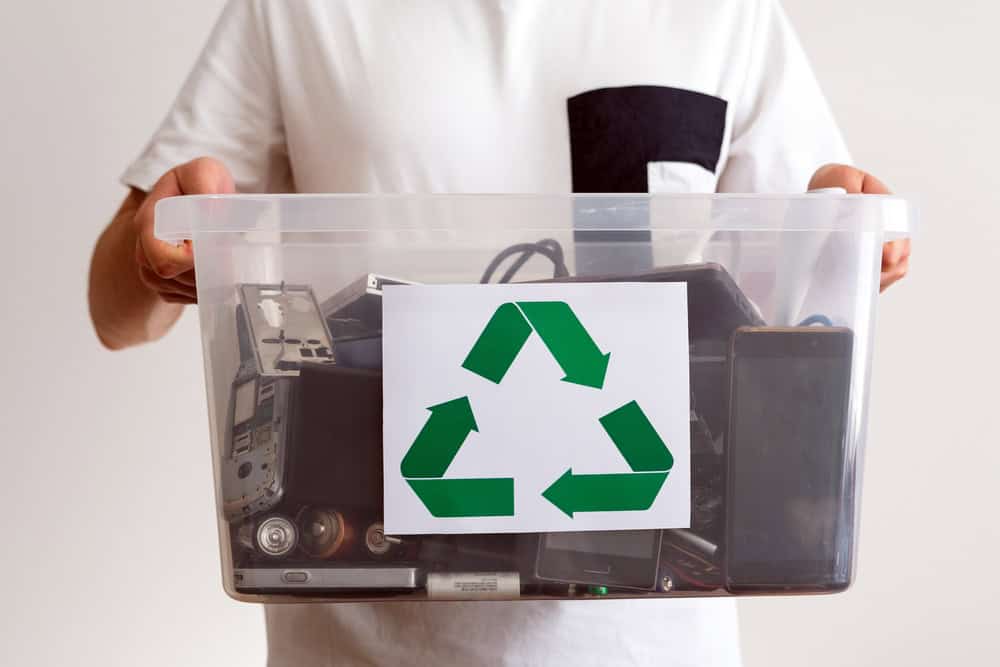
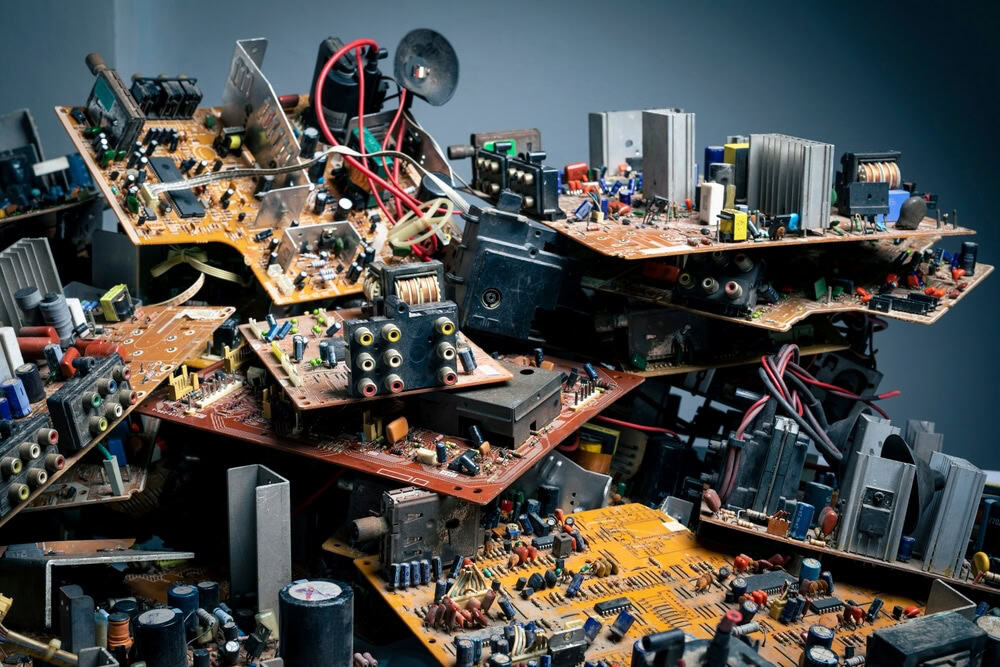
E-waste recycling plays a crucial role in reducing environmental pollution and conserving natural resources. By recycling electronics, harmful substances such as lead, mercury, and cadmium are prevented from entering landfills, where they can leach into the soil and water supply.
Moreover, recycling electronics allows for the recovery of valuable materials like gold, silver, and copper. These materials can be reused in the manufacturing of new products, thereby reducing the need for mining and extraction, which can be environmentally damaging.
Understanding IT Asset Management for Businesses
IT Asset Management (ITAM) is vital for businesses looking to optimize their technology investments and ensure compliance with regulations. ITAM involves tracking and managing a company's IT assets throughout their lifecycle, from procurement to disposal.
Effective ITAM helps organizations minimize costs, improve operational efficiency, and maintain security. By implementing robust ITAM practices, businesses can also ensure that their data destruction processes are compliant with industry standards, protecting sensitive information from unauthorized access.
How Reverse Logistics Enhances E-Waste Recycling
Reverse logistics refers to the process of moving goods from their final destination back to the manufacturer for reuse, refurbishment, or recycling. This process is increasingly important in e-waste management, as it helps companies recover valuable materials and reduce waste.
By integrating reverse logistics into their recycling strategies, businesses can streamline their e-waste disposal processes. This not only enhances sustainability efforts but also creates opportunities for cost savings and improved customer satisfaction through responsible product lifecycle management.
Choosing the Right E-Waste Recycling Partner
Selecting a reputable e-waste recycling partner is essential for ensuring that your electronic waste is handled responsibly and securely. When evaluating potential partners, consider their certifications, experience, and commitment to environmental sustainability.
A trustworthy recycling partner should provide transparent processes for data destruction, offer detailed reporting, and comply with local and international regulations. By choosing the right partner, businesses can mitigate risks associated with data breaches and environmental harm while contributing to a circular economy.
The Environmental Benefits of E-Waste Recycling
E-waste recycling plays a crucial role in reducing environmental pollution and conserving natural resources. By recycling electronics, harmful substances such as lead, mercury, and cadmium are prevented from entering landfills, where they can leach into the soil and water supply.
Moreover, recycling electronics allows for the recovery of valuable materials like gold, silver, and copper. These materials can be reused in the manufacturing of new products, thereby reducing the need for mining and extraction, which can be environmentally damaging.
Understanding IT Asset Management for Businesses
IT Asset Management (ITAM) is vital for businesses looking to optimize their technology investments and ensure compliance with regulations. ITAM involves tracking and managing a company's IT assets throughout their lifecycle, from procurement to disposal.
Effective ITAM helps organizations minimize costs, improve operational efficiency, and maintain security. By implementing robust ITAM practices, businesses can also ensure that their data destruction processes are compliant with industry standards, protecting sensitive information from unauthorized access.
How Reverse Logistics Enhances E-Waste Recycling
Reverse logistics refers to the process of moving goods from their final destination back to the manufacturer for reuse, refurbishment, or recycling. This process is increasingly important in e-waste management, as it helps companies recover valuable materials and reduce waste.
By integrating reverse logistics into their recycling strategies, businesses can streamline their e-waste disposal processes. This not only enhances sustainability efforts but also creates opportunities for cost savings and improved customer satisfaction through responsible product lifecycle management.
Choosing the Right E-Waste Recycling Partner
Selecting a reputable e-waste recycling partner is essential for ensuring that your electronic waste is handled responsibly and securely. When evaluating potential partners, consider their certifications, experience, and commitment to environmental sustainability.
A trustworthy recycling partner should provide transparent processes for data destruction, offer detailed reporting, and comply with local and international regulations. By choosing the right partner, businesses can mitigate risks associated with data breaches and environmental harm while contributing to a circular economy.