You finished the network refresh. The new switching stack is live, the phone system is stable, and users have stopped opening tickets about the old gear. What's left is the part many teams postpone. A storage room, rack row, or staging area full of retired routers, switches, firewalls, handsets, PBX hardware, optics, and spare modules that nobody wants to touch.
That equipment isn't just clutter. It's tied up value, a possible data exposure, and a disposal problem that usually lands on IT, facilities, or both. When people search sell telecom equipment near me, they often find consumer buyback pages built for one phone at a time. That's not much help when you're coordinating a multi-site office cleanout, a closet full of Cisco gear, or surplus equipment from a telecom upgrade.
Local selling works best when you treat it like an IT asset disposition project, not a casual resale exercise. The difference shows up in the paperwork, the logistics, the data handling, and the final recovery value.
Your Guide to Selling Surplus Telecom Equipment
A common scenario looks like this. A company upgrades its voice and network environment, moves to newer routing and switching hardware, and stacks the outgoing gear in a conference room “for later.” Later turns into months. By then, nobody is fully certain what still works, what was pulled from which site, or whether every device was wiped before it was shelved.
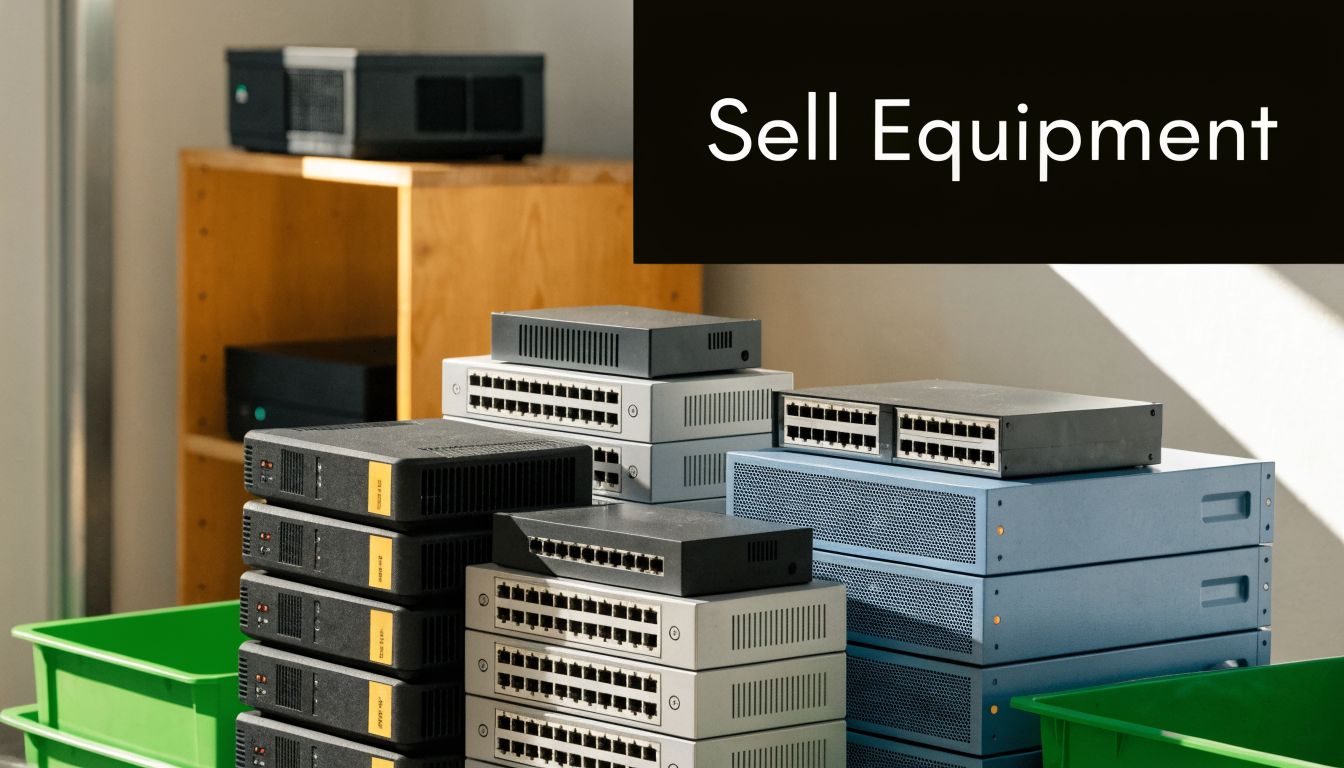
That pile usually contains more opportunity than teams expect. The market for used telecom and IT equipment was valued at approximately $15.6 billion in 2023 and is projected to reach $32.4 billion by 2030, with an 11.1% CAGR from 2024 to 2030, according to this market overview on used IT equipment sales. The same source notes that telecom infrastructure often has a lifecycle of only 3 to 5 years, which explains why resale and redeployment have become standard operating practice instead of an afterthought.
Why local selling matters
For facilities managers and IT leads, “near me” usually means three things:
- Faster pickup coordination for closets, branches, and data rooms
- Less handling risk because equipment doesn't sit in limbo
- Cleaner accountability when chain of custody starts at your site
That's especially important when you're moving bulk quantities. A single seller-to-buyer transaction on a marketplace can work for one spare switch. It breaks down fast when you're dealing with pallets, multiple departments, and a deadline tied to a lease exit or renovation.
Practical rule: If your telecom gear came from a production environment, handle the sale like a controlled decommissioning process, not like office surplus.
What a good outcome looks like
A solid outcome isn't just “equipment removed.” It means the gear is inventoried, data-bearing components are handled properly, resale value is documented, and disposition aligns with your sustainability goals. If you're exploring options to get money for old electronics, the key objective is balancing return with control.
That balance matters more than speed alone. The fastest buyer isn't always the safest buyer, and the highest informal offer often comes with the most operational friction.
Cataloging and Valuing Your Telecom Assets
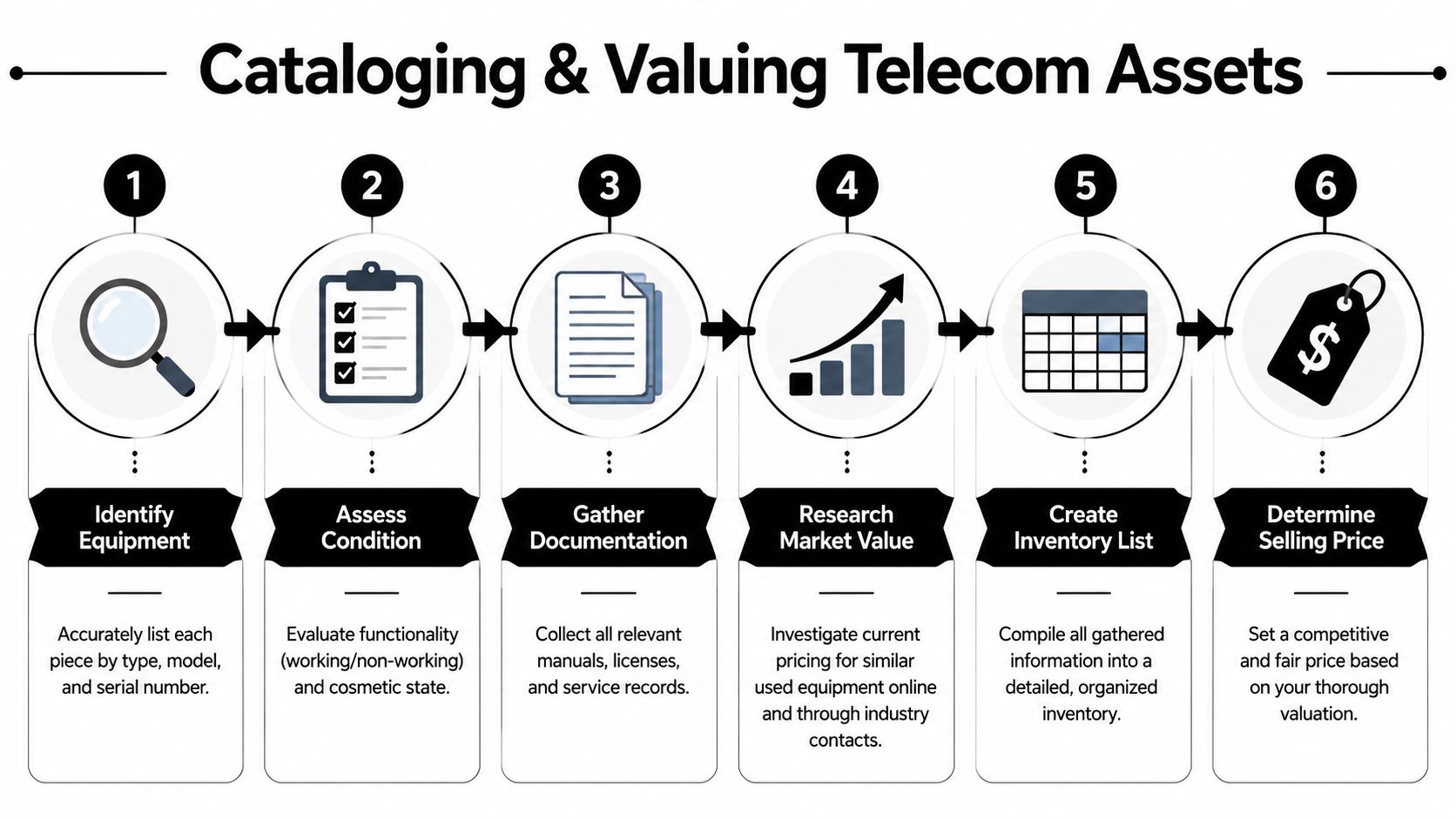
A primary pitfall for teams is asking for a quote before they know what they have. “Several Cisco switches, some phones, a few racks of older gear” isn't enough for an accurate valuation. Buyers price what they can verify.
Build an inventory that a buyer can use
At minimum, your spreadsheet should capture:
- Manufacturer and model. “Cisco Catalyst 9300” is useful. “Network switch” is not.
- Serial number. This supports ownership tracking and prevents asset mix-ups.
- Configuration details. Include line cards, optics, power supplies, licensing status if relevant, and any installed modules.
- Physical condition. Bent ears, cracked bezels, missing faceplates, or heavy rack wear affect resale.
- Functional status. Mark items as tested working, powers on only, untested, or parts.
- Accessories. Power cords, mounting kits, transceivers, handsets, and expansion modules can change the quote.
If you have access to tools such as Cisco Network Assistant, Lansweeper, SolarWinds, or OEM diagnostics, use them to cross-check what's in the room against what's on your list. Buyers trust a lot list more when it reads like an audit trail rather than a rough estimate.
Grade the assets before you price them
One of the more useful disciplines in professional ITAD is asset grading. According to this overview of used networking equipment buyback methodology, many SMBs and enterprises use ISO 55001-style asset grading with Grade A, B, and C classifications and dynamic market pricing, which can recover 20% to 50% of original asset value.
A simple grading model looks like this:
| Grade | What it usually means | Typical sale impact |
|---|---|---|
| A | Strong cosmetic condition, fully functional, complete | Best resale position |
| B | Functional with visible wear or minor missing noncritical parts | Lower but still marketable |
| C | Needs repair, incomplete, or best suited for refurbishment or parts | Value depends on parts demand |
Price disagreements often come from mismatched assumptions. Sellers think in terms of original purchase cost. Buyers think in terms of condition, configuration, and current demand.
The cleaner your lot list, the fewer downward revisions you'll see after inspection.
What works and what doesn't
What works is preparing your inventory like a handoff document. What doesn't work is sending blurry phone photos and expecting firm pricing on enterprise gear.
For teams that want a practical benchmark for how secondary markets evaluate devices, even outside telecom, guides like refurbished iPhones from UsedMobiles4U are a useful reminder that resale value always follows the same basics: verified model, verified condition, and verified market demand.
If you're trying to improve recovery before reaching out to buyers, this resource on maximizing value in IT asset disposition is worth reviewing. The biggest gains usually come from accuracy, not aggressive negotiating.
Ensuring Secure Data Destruction Before You Sell
A surprising amount of telecom equipment still carries sensitive information after it leaves production. Routers, firewalls, unified communications appliances, call managers, voice gateways, security devices, and even some switches can retain configurations, credentials, logs, certificates, and network details that you would never want exposed.
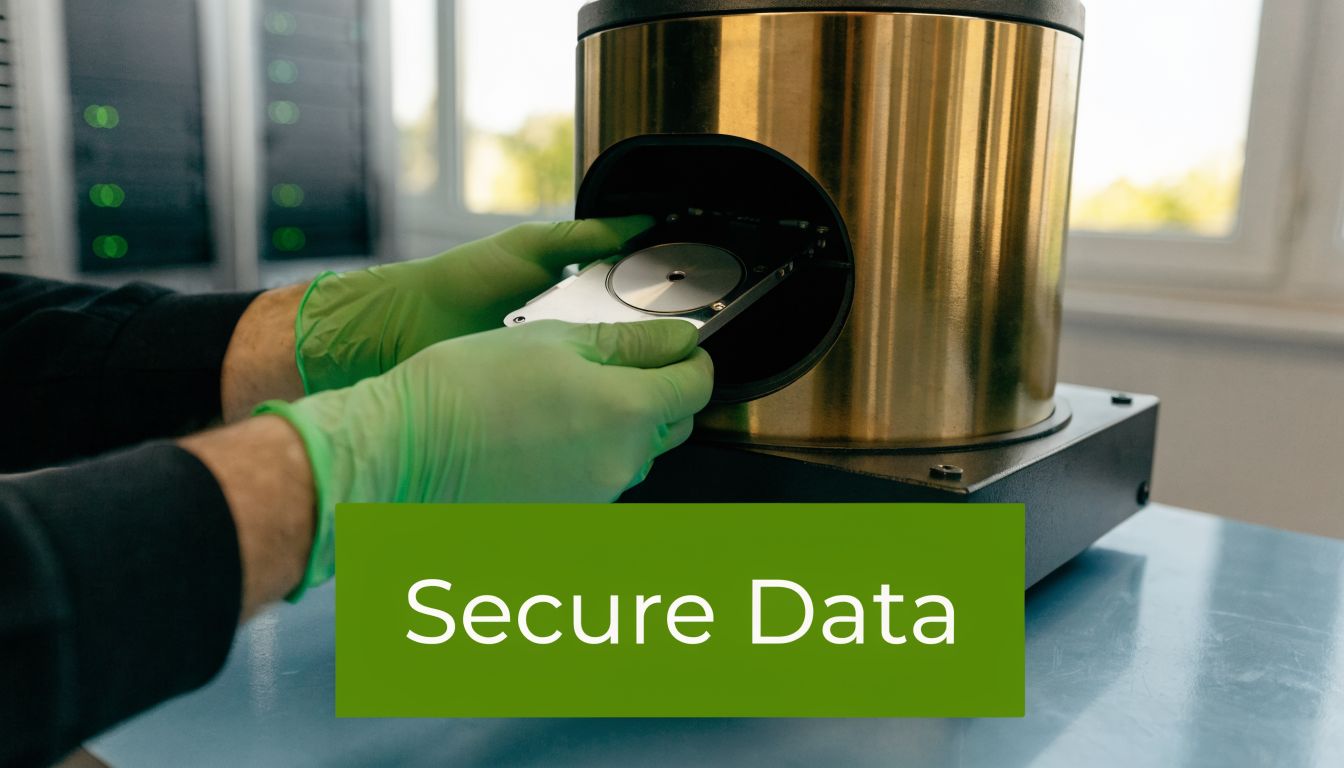
A factory reset isn't enough for business disposition. It may clear settings for redeployment, but it doesn't automatically satisfy internal policy, legal obligations, or external audit expectations.
Why this step can't be skipped
According to this ITAD data sanitization reference, 35% of data breaches originate from improperly sanitized equipment. The same source states that certified sanitization under NIST 800-88 may involve a DoD 5220.22-M 3-pass overwrite or physical shredding, depending on the media and risk profile.
That's the fundamental trade-off. If you skip formal sanitization, you may save time in the short term, but you take on a much bigger exposure. In practice, secure data destruction functions like insurance. It protects the organization when equipment leaves your control.
Match the method to the hardware
Not every telecom asset needs the same treatment. A practical approach usually breaks down like this:
- Configuration-heavy devices like routers and firewalls should be reviewed for stored credentials, VPN keys, certificates, and backup files before wipe or destruction.
- Appliances with drives or flash storage need media-specific sanitization. SSDs and NAND storage often require a different handling decision than older spinning disks.
- Failed or inaccessible media should be physically destroyed rather than trusted to a software process that can't verify completion.
- Mixed lots need clear records showing which assets were wiped, which were shredded, and which never contained data-bearing media.
If your team handles user devices too, simple reset instructions still have a place for consumer workflows. For example, Trade.com.au's iPhone reset steps are useful for personal or low-risk device prep. That's a different standard from enterprise telecom disposition, where you need documented sanitization, not just convenience.
If an auditor asks what happened to a retired device, “we reset it” is weak. “We sanitized it to NIST 800-88 and retained the destruction records” is defensible.
What to ask for from a service provider
Before any equipment leaves your site, confirm that the provider can deliver:
- A defined sanitization standard such as NIST 800-88
- A media decision path for wipe versus shred
- Chain-of-custody documentation from pickup through processing
- Certificates of destruction tied to your asset records
- Support for regulated environments if your organization handles protected data
For companies that want a formal program in place, secure data destruction services should be evaluated with the same seriousness as any other risk-control process. Good providers make this easy to document. Weak providers talk in generalities and avoid specifics.
How to Find and Vet Reputable Local Buyers
Once your inventory is ready and your data process is decided, the next challenge is choosing the right local outlet. At this point, many searches for sell telecom equipment near me often go astray. Search results often favor consumer trade-in pages, kiosk programs, or generic electronics buyers that aren't built for bulk business disposition.
The issue isn't just price. It's execution. Business sellers need pickup coordination, lot-level tracking, and a process for handling gear from multiple rooms, floors, or sites.

Compare the buyer types
Here's the practical difference between common options:
| Buyer type | Good fit | Main drawback |
|---|---|---|
| Public marketplaces | One-off items, spare parts, hobbyist sales | Lowball offers, no pickup structure, weak accountability |
| Local scrap buyers | End-of-life material with little reuse value | They may ignore refurbishable telecom value |
| Specialized ITAD partner | Bulk business lots, office cleanouts, secure disposition | Requires a more formal intake process |
Public marketplaces can work if you have time, technical staff, and very few assets. Most facilities teams don't. Coordinating viewings, pallet prep, serial disputes, and no-show buyers turns into operational drag.
Use a vetting checklist
Ask direct questions. If the provider is vague, move on.
- What certifications do you hold for recycling, downstream handling, or data destruction?
- Do you support business pickups for bulk telecom hardware?
- How do you document chain of custody from site pickup to final processing?
- Can you manage multi-location consolidation if assets are spread across offices?
- What paperwork do you provide after the sale or destruction event?
- How do you handle equipment with resale value versus equipment that should be recycled?
The most overlooked issue is logistics. A provider may talk about buyback and sustainability, but if they can't clearly explain scheduling, packaging expectations, onsite pickup windows, and handoff documentation, they're not ready for enterprise-level work.
Local convenience only matters if the buyer can handle your volume without creating more work for your team.
A useful contrast is consumer-oriented guidance like trading in your laptop for cash from Steel City IT. It's a solid example of how straightforward single-device resale can be. Enterprise telecom disposition is different. You're not trading in one laptop. You're coordinating assets, security, facilities access, and final records.
What “near me” should really mean
For a business, local should mean responsive scheduling, practical pickup support, and a process that reduces handling touches. It should also mean the provider understands office cleanouts, data center decommissioning, and staged removals tied to project timelines.
If you're evaluating buyers in that context, this page on shops that buy electronics is a useful starting point for framing what separates a real business disposition partner from a general buyback option.
Negotiating Price and Managing Sale Logistics
Negotiation goes better when the facts are already organized. A buyer can challenge assumptions. It's harder for them to challenge serial numbers, tested status, accessory counts, and clearly stated condition.
Protect the quote before pickup
Use a short confirmation sheet before the handoff. It should include:
- Approved asset list with model and quantity
- Condition assumptions used in the quote
- Items excluded from resale because they require destruction or recycling
- Pickup responsibilities including packing, palletizing, and dock access
- Final documentation you expect after processing
This isn't overkill. It prevents the usual disputes about missing power supplies, substituted units, or “untested” items that were originally represented as working pulls.
Treat logistics like project work
Bulk telecom sales fail on logistics more often than on price. Loading dock restrictions, freight timing, building access, and cross-site coordination can turn a good quote into a poor outcome if nobody owns the handoff.
A clean process usually includes a site contact, a pickup window, pre-labeled lots, and clear separation between resale gear, recycling-only material, and media awaiting destruction records.
The best transaction is boring. The equipment leaves on schedule, the paperwork matches the lot, and nobody spends the next week reconciling surprises.
Close the loop with documents
Before you consider the job done, collect the records that matter. That usually means a bill of sale or transfer record, an itemized settlement if pricing changes by inspection, and any destruction certificates tied to data-bearing assets.
If those documents don't exist, your team may have trouble answering basic internal questions later. Finance wants asset disposition support. IT wants proof of data handling. Facilities wants confirmation the material is gone. Good process satisfies all three.
Partnering with Reworx for Smart and Sustainable ITAD
Selling retired telecom hardware is rarely just a resale task. It sits at the intersection of finance, security, operations, and sustainability. The teams that handle it well don't chase the fastest offload. They build a process that protects data, documents custody, and recovers value where it still exists.
That's why the strongest ITAD programs combine buyback, decommissioning support, reverse logistics, and environmentally responsible recycling in one workflow. It reduces handoffs. It also makes internal reporting far easier when leadership asks what happened to the equipment after the upgrade.
Why the social impact matters too
There's also a broader question behind every disposition project. If equipment can't be resold as-is, can it be reused responsibly, harvested for parts, or processed in a way that keeps material out of the landfill and supports community outcomes?
That's where a social enterprise model stands apart from a simple liquidation vendor. It connects responsible electronics recycling with community benefit, including technology access, digital inclusion, and workforce development.
Organizations looking for a more complete framework for sustainable disposition can review global IT asset disposition and sustainable IT management solutions. The core idea is simple. End-of-life equipment should be managed with the same discipline as live infrastructure.
For businesses that need business pickups, secure data destruction, office cleanout support, data center decommissioning help, or a donation-based recycling partner, the right local relationship can remove a lot of friction from future refresh cycles.
If your team is searching for a practical way to sell telecom equipment locally, manage secure data destruction, and handle bulk pickups without adding more work to IT or facilities, connect with Reworx Recycling. Reworx helps businesses with electronics recycling, donation-based recycling, IT equipment disposal, secure data destruction, office cleanouts, and sustainable ITAD programs that support both operational goals and community impact.