Professional IT Equipment Disposal Services in Atlanta: Secure, Compliant, and Eco-Friendly Solutions
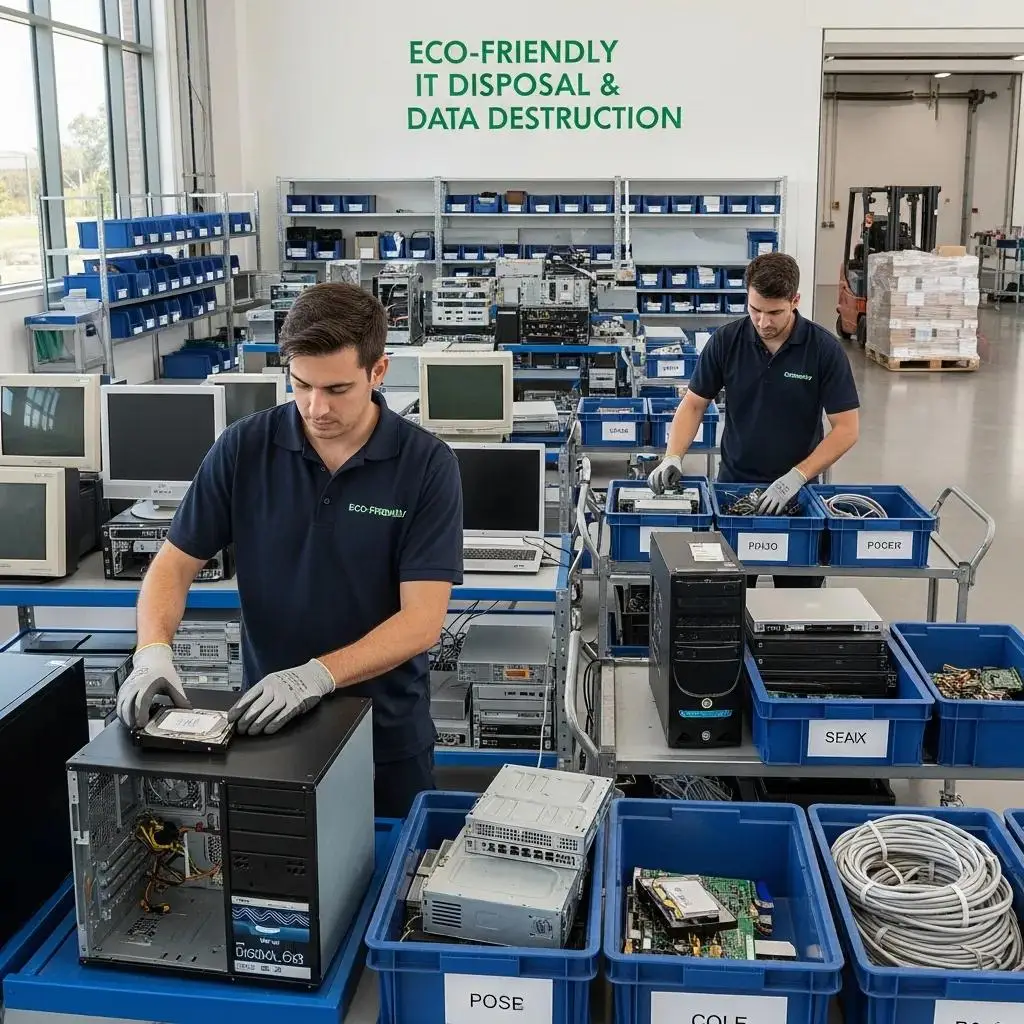
In today’s digital age, the secure disposal of IT equipment is crucial for businesses looking to protect sensitive data and comply with environmental regulations. This article explores the various methods available for professional IT equipment disposal in Atlanta, GA, emphasizing the importance of secure data destruction and environmentally responsible practices. Readers will learn about the best practices for disposing of IT equipment, the benefits of electronics recycling in Atlanta, and how to find reliable disposal services. As companies face increasing scrutiny over data security and environmental impact, understanding these processes is essential. We will cover secure disposal methods, local recycling options, the environmental benefits of e-waste recycling, and the role of corporate IT asset disposition solutions.
Indeed, the practice of IT asset disposition (ITAD) is a critical component of green IT initiatives, aiming to maximize asset value while ensuring data security and environmental compliance.
IT Asset Disposition: Green Solutions for Data Security & Compliance
Enterprise IT asset disposition is one important contributing dimension to green IT initiatives adopted by organizations. ITasset disposition services aim to maximize the value of the IT asset investment of enterprises over its entire lifecycle whileguaranteeing data security and protecting against environmental liability. The purpose of this paper is to introduce thepractice of IT asset disposition services in the United States, and more specifically, the processes used to accomplish thethree key objectives in IT asset disposition: 1) data security and protection, 2) environmental responsibility and compliance,and 3) asset value recovery.
IT asset disposition services: A green solution for the enterprise, S Schiller, 2011
How Can You Securely Dispose of IT Equipment in Atlanta?
Secure disposal of IT equipment involves several methods designed to protect sensitive data while ensuring compliance with environmental standards. Businesses must prioritize secure data destruction to prevent unauthorized access to confidential information. Effective methods include data wiping, degaussing, and physical shredding, each offering unique benefits in safeguarding data integrity. By utilizing these methods, companies can mitigate risks associated with data breaches and ensure responsible disposal of electronic waste.
What Are the Methods of Secure Data Destruction?

Secure data destruction is vital for protecting sensitive information during IT equipment disposal. The primary methods include:
- Data Wiping: This process involves overwriting existing data on storage devices, making it irretrievable. It is a cost-effective method for businesses looking to reuse equipment while ensuring data security.
- Degaussing: This technique uses a powerful magnetic field to disrupt the magnetic domains on storage devices, effectively erasing all data. Degaussing is particularly effective for traditional hard disk drives and magnetic tapes but is ineffective for solid-state drives (SSDs).
- Physical Shredding: This method involves physically destroying storage devices, rendering them unusable. It is the most secure option for businesses that require absolute data destruction.
These methods not only protect sensitive information but also align with environmental compliance standards, making them essential for responsible IT asset disposal.
Where to Find Convenient Electronics Recycling and Drop Off Locations in Atlanta?
Finding convenient electronics recycling and drop-off locations in Atlanta is essential for businesses and individuals looking to dispose of e-waste responsibly. Various local recycling centers and community events offer opportunities for safe disposal of electronic devices.
How to Locate Free and Certified E Waste Drop Off Points Near You?
To locate free electronics recycling services and certified e-waste drop-off points in Atlanta, consider the following steps:
- Contact Local Recycling Centers: Reach out to nearby recycling facilities to inquire about their e-waste disposal services and any associated costs.
- Check Online Resources: Utilize websites that list certified e-waste recycling locations, ensuring that the facilities comply with local regulations.
- Verify Certification: Always confirm that the recycling center is certified to handle e-waste, such as through R2 or e-Stewards certification, as this ensures compliance with environmental standards.
By following these steps, individuals and businesses can ensure their electronic waste is disposed of safely and responsibly.
What Are the Environmental and Regulatory Benefits of E Waste Recycling in Georgia?
E-waste recycling offers significant environmental and regulatory benefits, particularly in Georgia. By recycling electronic devices, businesses can contribute to reducing e-waste and conserving valuable resources.
How Do Georgia E Waste Laws Impact IT Asset Disposal?
Georgia has established laws governing e-waste disposal, which require businesses to follow specific guidelines to ensure compliance. While Georgia does not have a comprehensive statewide e-waste recycling law mandating consumer electronics recycling, it does regulate the disposal of certain electronic devices and hazardous waste under state environmental laws. Businesses must comply with these regulations and any local ordinances to avoid potential fines and ensure they are disposing of their IT assets legally.
What Are the Environmental Advantages of Responsible Electronics Recycling?

Responsible electronics recycling provides several environmental advantages, including:
- Reduction in E-Waste: Recycling helps divert electronic waste from landfills, reducing pollution and conserving space.
- Conservation of Resources: By recycling materials from old electronics, valuable resources such as metals and plastics can be recovered and reused, minimizing the need for new raw materials.
These benefits highlight the importance of responsible e-waste recycling in promoting environmental sustainability.
How Do Corporate IT Asset Disposition Solutions Protect Your Business and Data?
Corporate IT asset disposition solutions play a crucial role in protecting businesses and their data during the disposal process. These solutions ensure that sensitive information is securely destroyed while complying with environmental regulations.
This comprehensive approach to IT asset disposition is vital for enterprises, encompassing the entire lifecycle of IT assets from recovery to recycling, with a strong emphasis on data security and regulatory adherence. Many companies rely on ReWorx Recycling and our recycling services to manage these processes effectively and responsibly.
Enterprise ITAD: Data Security, Compliance & Third-Party Services
Enterprise IT Asset Disposition (ITAD) addresses the recovery and recycling of an enterprise’s IT assets that are near or at the end of their lifecycle. The aim of ITAD is to maximize the value of investment over the IT asset’s entire lifecycle while guaranteeing data security and protecting against environmental liability. Regulatory requirements mandate specific disposal methods for computing assets, and enterprises face significant risks if they fail to comply. Despite the critical importance of ITAD, many enterprises lack a clear understanding of ITAD and its regulations and struggle with the management of ITAD processes. One solution to this challenge is the ITAD service provided by third-parties that can deliver effective and proper disposition services, and more importantly help enterprises maximize the potential value recovered from IT assets.
Enterprise IT asset disposition: An overview and tutorial, S Schiller, 2016
What Are Certified IT Asset Recovery and Compliance Practices?
Certified IT asset recovery practices involve following established protocols for data destruction and equipment recycling. These practices include:
- Secure Data Destruction: Ensuring that all data is irretrievably destroyed before equipment is recycled or resold.
- Documentation and Certification: Providing businesses with certificates of destruction and compliance to demonstrate adherence to legal and environmental standards.
By implementing these certified practices, companies can safeguard their data and maintain compliance with regulatory requirements, ultimately protecting their reputation and bottom line.