Nationwide electronics recycling gives businesses one coordinated way to retire equipment from offices, data centers, and facilities across multiple locations. A recycling partner arranges pickup, tracks equipment, securely handles data, and directs devices to reuse, resale, or responsible material recovery. With Reworx Recycling, business pickups and data destruction are free nationwide.
What nationwide business electronics recycling covers
A multi-site electronics recycling program is more than a series of local cleanouts. It brings collection, data security, asset evaluation, and final disposition together under one plan, helping your team manage equipment consistently even when it is spread across the country.
Common equipment includes laptops, desktops, servers, networking devices, phones, tablets, monitors, and other office electronics. Medical, laboratory, and other specialized equipment may also be considered, but it’s important to confirm the equipment type and any special handling needs with your recycler before scheduling.
The process can turn retired devices from storage and security concerns into equipment that may be reused or resold, or materials that can be recovered. Reuse gives suitable equipment a chance at another working life. When a device cannot be reused, responsible processing helps recover materials and manage components that should not go into ordinary waste.
Reworx Recycling is a social enterprise that gives refurbished technology to marginalized and vulnerable communities for education and career readiness. Its home base is 1835 S Cobb Industrial Blvd SE #103, Smyrna, GA 30082, while its electronics recycling services are available across all 50 states.

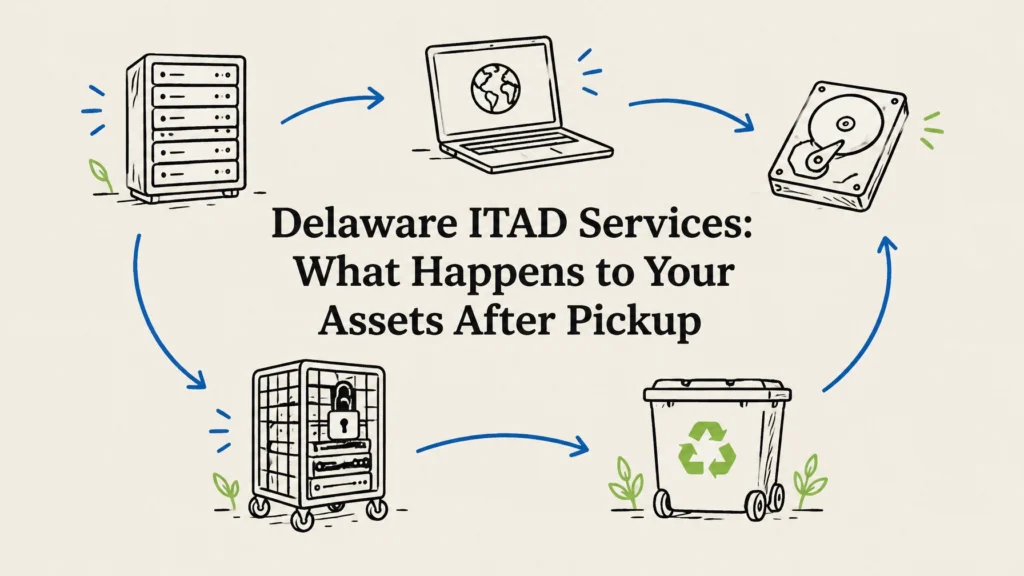
The business electronics recycling process, from pickup to material recovery
A clear process helps your team know what will happen to equipment at each stage. Here’s a typical end-to-end walkthrough:
-
Plan the project and identify equipment. Start with a list of locations, device types, approximate quantities, and any equipment with storage or special handling needs. Identify which assets may be candidates for reuse or buyback, and flag medical, lab, or other specialized equipment for review.
-
Arrange pickup or collection. Coordinate dates, site access, and pickup details with your recycling partner. Reworx offers free nationwide pickups, including scheduling options that can work around business hours. Tamper-proof drop-off boxes may be useful for ongoing collections where available. For quick coordination, you can also text Reworx.
-
Track equipment and maintain custody. Ask how devices will be identified and documented as they move from your site to processing. For data-bearing equipment, keep asset tags or serial numbers available when possible. Clear inventory and custody records make it easier to follow up on exceptions and keep project records organized.
-
Securely wipe or destroy data. Data-bearing equipment should be treated as containing sensitive information until its storage media has been handled. Depending on the device and your requirements, data may be wiped using a NIST 800-88-style process or the storage media may be physically destroyed. Reworx provides free data destruction, including hard drive shredding, and a certificate of destruction for documentation.
Ask your recycler how it handles different media, including hard drives, solid-state drives, phones, and equipment with onboard storage. A certificate and inventory records help document the work; keep them with your organization’s records and review them against your own data-retention and compliance policies.
-
Evaluate equipment for reuse and value recovery. Once data is addressed, equipment can be assessed for its next best use. Working devices may be refurbished or considered for resale; usable components may be recovered from equipment that cannot be reused as a whole. Reworx also offers equipment buyback for eligible equipment.
-
Recycle remaining materials responsibly. Devices that are not suitable for reuse or resale move into responsible recycling. Processing separates materials such as steel, aluminum, copper, plastics, and circuit-board components for recovery. Certified eco-friendly recycling and responsible downstream processing help keep hazardous components out of ordinary waste streams.
-
Review project records and close out. Ask for a final summary that shows what was collected, how data-bearing assets were handled, and how equipment was directed for reuse, buyback, or recycling. Keep certificates, inventory records, and any exception notes together for future reference.

Timelines depend on the number of sites, volume and type of equipment, access requirements, and any special handling. Agree on a schedule and reporting expectations before pickups begin, especially if you are coordinating a refresh or facility transition.
How to choose a nationwide electronics recycling partner
For enterprise IT recycling, a national footprint matters, but it is only one part of a good fit. Look for a partner that can coordinate multiple locations while providing a clear process for data security, equipment value, and final disposition.
| What to check | What to ask |
|---|---|
| Logistics | Can you coordinate pickups across all our locations with one point of contact? |
| Data destruction | Do you offer wiping or hard drive shredding, and provide certificates of destruction? |
| Value recovery | How do you assess reusable equipment, and can we explore equipment buyback? |
| Reporting | What inventory and final disposition records will we receive? |
| Recycling | How do you handle downstream processing and materials that need special care? |
Ask how the provider handles data-bearing equipment from pickup through destruction or wiping, and what happens if a device cannot be identified or processed as planned. For recycling claims, ask which facilities handle the equipment and what documentation is available about their practices. Certifications and the scope they cover can vary, so review current details rather than relying on a general claim.
A strong partner should also be able to discuss how your organization’s requirements relate to privacy and security obligations, including HIPAA, PCI DSS, and applicable state data breach laws. The recycler’s documentation can support your records, but your organization should confirm its own compliance requirements with the appropriate internal or legal teams.
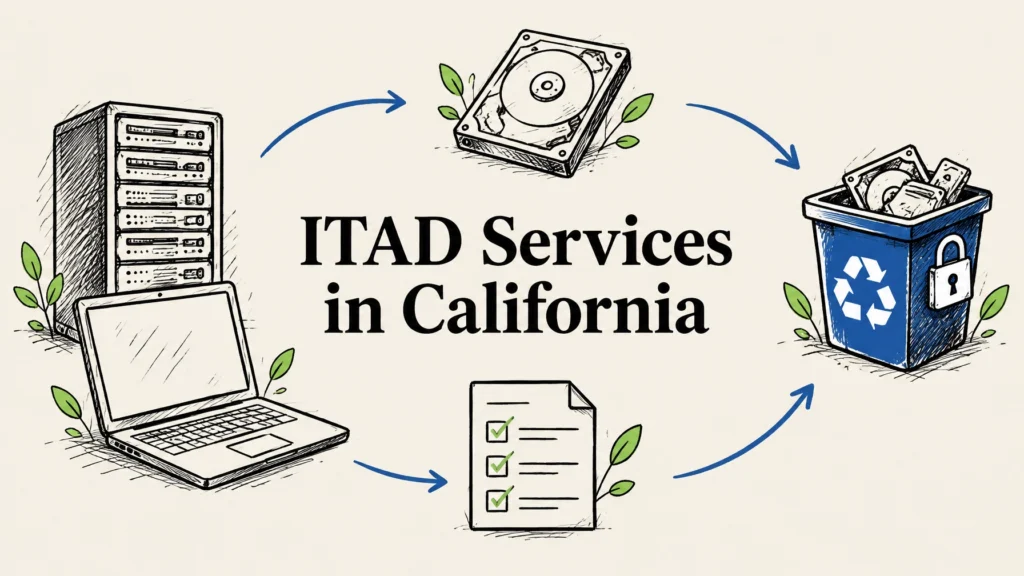
Reworx provides IT asset disposition services that combine secure data handling, equipment recovery, and recycling. Its broader electronics recycling services support businesses managing equipment across locations.
Preparing your equipment for pickup
A little preparation can make a multi-site project easier to manage. Before collection:
- Make a list of devices and the locations where they are stored.
- Identify computers, servers, phones, and other equipment that may contain data.
- Back up any business information your team needs to retain.
- For company phones, follow your internal process for signing out of accounts and removing SIM cards.
- Keep asset tags or serial-number lists available if your team tracks equipment that way.
- Separate unusual or specialized equipment so the recycler can confirm how it should be handled.
- Arrange building access, loading-area details, and a site contact for each pickup.
You do not need to transport equipment to Reworx’s facility. Reworx coordinates free nationwide pickups, and flexible or after-hours scheduling can help limit disruption to your workday. If you have questions while planning, texting Reworx is an easy way to get a quick response.
Frequently asked questions about nationwide electronics recycling
What happens to data on recycled office equipment?
Data-bearing devices should be wiped or have their storage media physically destroyed before reuse or recycling. Reworx offers free data destruction through wiping using a NIST 800-88-style process or hard drive shredding, with a certificate of destruction for documentation. Ask how the process applies to each type of media in your equipment list.
Can you recycle specialized equipment like medical devices?
Specialized devices may contain storage or components that need specific handling. Share the equipment types with your recycler before arranging pickup so the right process can be confirmed. This applies to medical and laboratory equipment as well as servers and other non-standard IT hardware.
How is the value of retired IT equipment determined?
Value can depend on the equipment’s age, condition, functionality, and potential for reuse or resale. If a device cannot be reused, the recoverable value of its materials may also matter. Ask for a clear assessment before deciding whether to pursue buyback or recycling.
Do we need to transport equipment to your facility?
No. Reworx coordinates free pickups nationwide, so your team does not need to arrange transport to the facility. Confirm pickup dates, site access, and any special handling details with the team in advance.
Coordinate your next business electronics recycling project
Whether you are clearing one office or coordinating equipment retirement across many sites, a consistent process makes corporate e-waste recycling easier to manage. Make an inventory, identify data-bearing and specialized devices, and ask your recycling partner how it will document pickup, data destruction, and final disposition.
To get started, contact Reworx about electronics recycling and ask about a free nationwide pickup for your business.