When a business needs to retire IT equipment spread across the country, it's not just about getting rid of old electronics. It's a massive logistical puzzle. This is where nationwide electronics recycling comes in, offering a smart, organized solution for managing end-of-life laptops, servers, and specialized equipment in a way that's efficient, compliant, and good for the planet. It’s far more than just scrapping devices; it’s a system designed to turn liabilities on your balance sheet into recoverable assets while ensuring total data security.
Understanding the Scope of Nationwide Electronics Recycling
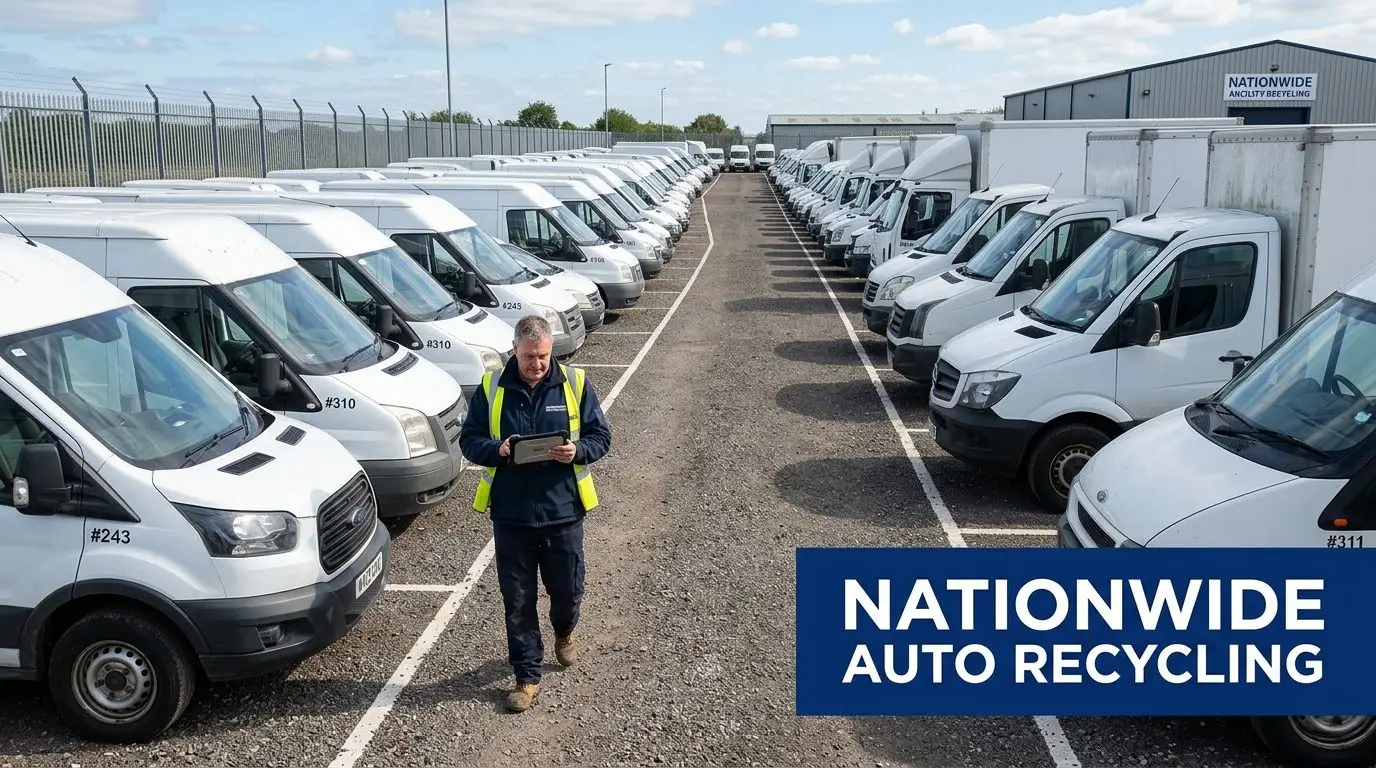
Retiring a few company laptops in a single office is one thing. But what happens when you’re an IT manager tasked with decommissioning hundreds of devices scattered across dozens of states? The complexity shoots up instantly. This is precisely the problem nationwide electronics recycling solves by giving you a single, coordinated partner like Reworx Recycling to manage a sprawling, multi-state operation.
You can think of it as enterprise-level IT asset disposition (ITAD) at scale. Just as a business manages its distributed workforce, a nationwide recycling partner handles the responsible retirement of thousands of laptops, servers, medical equipment, and lab instruments from multiple offices, data centers, and facilities. The whole point is to get the most value back while making sure every step—from pickup to final processing—meets strict environmental and data security rules, no matter which state the equipment is in.
From Liability to Asset
A collection of retired IT equipment sitting in closets across the country is a major headache. They take up valuable space, represent a significant data security risk, and are filled with hazardous materials that need to be handled by the book. A well-structured recycling program flips this entire scenario on its head.
Instead of being a drain on company resources, these end-of-life assets become a source of valuable materials and community impact through a careful process:
- Coordinated Logistics: Managing the pickup and transport of electronics from all your locations to certified processing facilities.
- Value Recovery: Carefully refurbishing usable devices—like laptops and tablets—for donation programs or resale, extending their life and maximizing your return on investment.
- Material Reclamation: Shredding what’s left to separate and recover tons of steel, aluminum, copper, and precious metals like gold and palladium.
The social enterprise model, practiced by organizations like Reworx Recycling, adds another layer of value by channeling refurbished technology back into communities to support digital inclusion and workforce development.
Electronics Recycling vs Other Materials (Annual U.S. Rates)
| Material | Recycling Rate |
|---|---|
| Electronics (E-Waste) | ~15-20% |
| Aluminum Cans | ~67% |
| Steel Cans | ~71% |
| Paper & Paperboard | ~68% |
| Glass Containers | ~31% |
| Plastic Bottles & Jars | ~29% |
As the table shows, the recycling rate for electronics is troublingly low. This makes partnering with a dedicated, donation-based recycler like Reworx Recycling not just a good business practice, but a critical environmental action.
By transforming retired assets into a stream of raw materials and community resources, nationwide electronics recycling actively contributes to the circular economy. It reduces the need for new resource extraction, lowers manufacturing energy costs, and provides a powerful story for corporate social responsibility reports.
This strategic approach doesn't just clear depreciated assets off your books—it actively strengthens your company’s commitment to sustainability and community impact. To see how a coordinated approach can simplify large-scale asset retirement, check out our guide on nationwide recycling services for more information.
The True Impact of Recycling Corporate IT Equipment
When a business decides to retire a fleet of office electronics, that decision ripples out far beyond simply getting old equipment off the books. A structured nationwide electronics recycling program is a strategic play, creating real, measurable wins for your company’s balance sheet, its environmental commitments, and its community relationships.
The most immediate benefit is pollution control. Every single electronic device is filled with a cocktail of hazardous materials—lead, mercury, cadmium, and flame retardants. Proper IT equipment disposal ensures these substances are carefully managed, keeping them from seeping into soil and groundwater. That one step prevents toxic materials from poisoning local ecosystems.
This proactive approach to environmental care gives you powerful, concrete data for your company's ESG (Environmental, Social, and Governance) reports. Having a clear, documented process for diverting hazardous e-waste through a social enterprise like Reworx Recycling is tangible proof that you’re serious about sustainability.
Bolstering the Economy and Resource Chain
Beyond the direct environmental victories, recycling your old tech feeds a massive economic engine. The numbers here are almost hard to believe. Every year, millions of tons of e-waste are generated, but only a fraction is properly recycled.
This isn’t some niche industry. It’s a foundational part of the American economy, supporting jobs in logistics, refurbishment, data destruction, and material processing. By participating in a donation-based recycling program, your business becomes a crucial supplier of essential raw materials and functional technology.
This includes:
- Base Metals: Reduces the massive energy footprint of mining and processing new ore for steel and aluminum.
- Precious Metals: Recovers valuable gold, silver, platinum, and palladium from circuit boards.
- Functional Devices: Provides refurbished laptops and computers for schools, non-profits, and individuals in need, bridging the digital divide.
This contribution to the circular economy makes responsible disposal more than an ethical choice. It’s a smart business decision that promotes resource efficiency on a national level. In fact, knowing when to retire an asset often determines exactly when it's ready to enter this recycling and refurbishment stream.
A Unified Approach to Responsible Disposal
The core principles behind nationwide electronics recycling are about transforming end-of-life assets from a potential liability into a valuable resource. A secure ITAD program stops data breaches and recovers gold from old servers; a donation-based model adds a powerful social impact component.
The core philosophy is the same: maximize value recovery while minimizing environmental risk and creating positive social outcomes. Whether it's a server rack from a data center decommissioning, medical equipment from a hospital, or laptops from an office cleanout, the goal is to ensure that every component is directed toward its next best use.
This parallel thinking helps create a consistent approach to asset management across your entire organization. Companies that prioritize certified electronics recycling through a social enterprise build a unified strategy for corporate responsibility. To see just how deep this connection runs, you might find our article on the environmental impact of electronic waste insightful.
Ultimately, recycling your corporate electronics offers a powerful return. It strengthens your company’s ESG profile, supports a circular economy, conserves natural resources, and mitigates significant data security and environmental risks. It’s how you turn a logistical headache into a strategic advantage.
How IT Equipment Is Recycled from Start to Finish
So what really happens to a company laptop after you hand it over for the last time? For a lot of operations managers and business owners, the whole process feels like a black box. The reality is that modern nationwide electronics recycling, especially through a social enterprise like Reworx Recycling, is a surprisingly organized, multi-stage system designed to squeeze every ounce of value out of a device while keeping things environmentally safe and data-secure.
Don't think of it as a junk yard. It’s more like a sophisticated 'reverse assembly line.' Every device that comes into a certified facility gets carefully audited and processed in a specific order that prioritizes secure data destruction, parts reuse, and finally, material recovery. It’s a journey that turns end-of-life electronics from liabilities into assets for your business and your community.
Step 1: Secure Data Destruction and Auditing
The very first, and arguably most important, stage is secure data destruction. A business device has a surprising amount of sensitive corporate and personal data. Before anyone touches anything else, trained technicians get to work methodically wiping all data according to NIST 800-88 standards or physically destroying the storage media.
This includes data on:
- Hard drives (HDDs) and solid-state drives (SSDs)
- Smartphones and tablets
- Medical and laboratory equipment with onboard storage
Each asset is inventoried, and a Certificate of Data Destruction is issued, providing a legal audit trail. This step isn't optional—it’s the foundation of compliant IT asset disposition (ITAD), protecting your business from data breaches.
This flow diagram shows how the core stages fit together, from data destruction and refurbishment all the way to shredding and separating the final materials.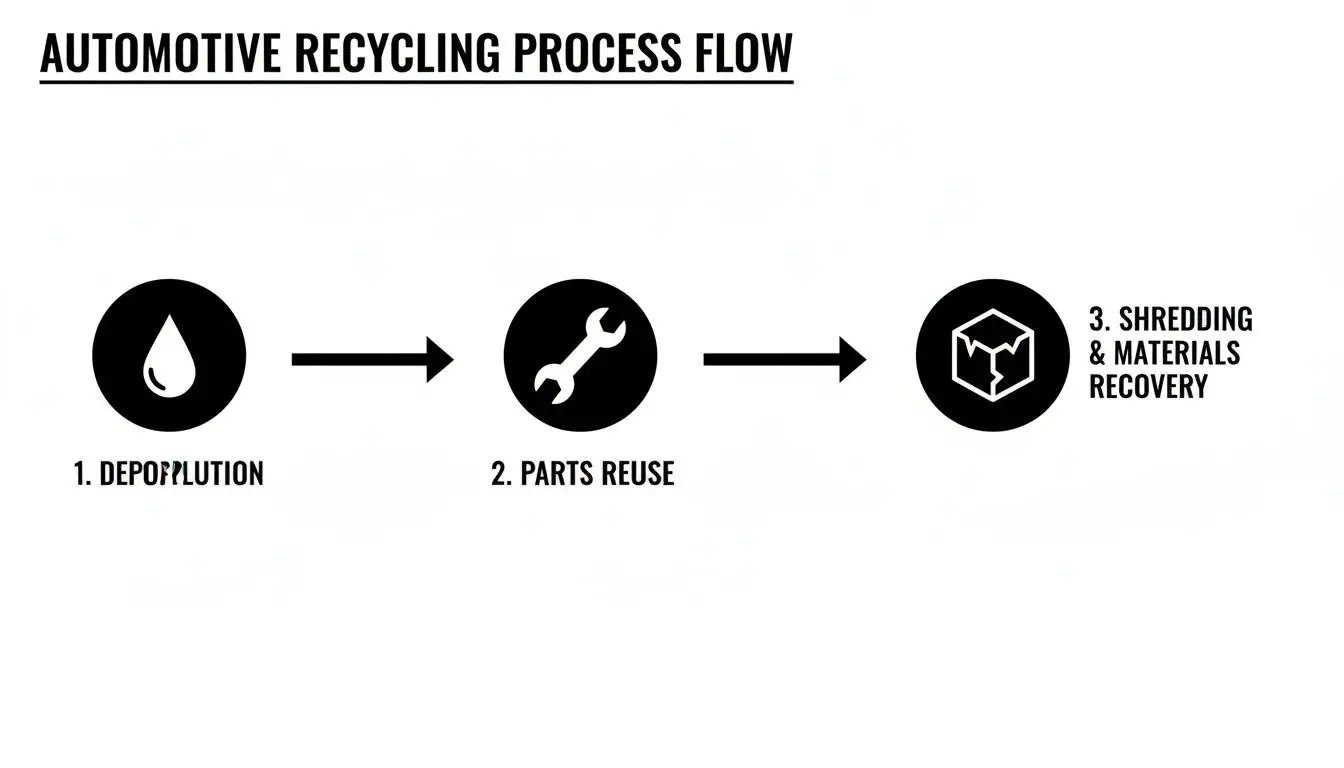
You can see how a device is progressively deconstructed, with each step designed to capture a specific type of value before moving on to the next.
Step 2: Refurbishment, Donation, and Parts Harvesting
Once the device is data-safe, the focus shifts to recovering value. This is the "triage" phase. Technicians meticulously inspect and test devices to determine their best path forward. This is where a social enterprise like Reworx Recycling truly shines.
- Donation & Refurbishment: Functional laptops, computers, and monitors are refurbished and prepared for donation to support digital inclusion programs.
- Parts Harvesting: For devices that can't be fully refurbished, technicians pull out valuable components like RAM, CPUs, and power supplies for repairs or resale.
- Resale: Higher-end equipment may be sold to fund the social mission, maximizing the financial return from your assets.
This thriving market for used parts and refurbished electronics is a key economic engine for the entire recycling industry. The detailed process of tracking and repurposing these parts is the essence of sustainable IT asset disposition, which you can read about in our guide on how e-waste recycling works.
This careful sorting and refurbishment process is what separates a social enterprise recycler from a simple scrapper. It ensures that every usable device is given a chance for a second life, reducing waste and providing critical resources to the community.
Step 3: Shredding and Material Separation
After all the valuable devices and components have been separated, you're left with end-of-life electronics and scrap. This is where the heavy machinery comes in. The material is fed into a massive industrial shredder that can pulverize circuit boards, plastics, and metals into small fragments.
But the process doesn't stop there. This jumbled mess of material is then run through a series of impressive separation technologies:
- Powerful Magnets: Giant electromagnets lift all the ferrous metals (iron and steel) out of the mix.
- Eddy Currents: What's left passes through eddy current separators. They create a magnetic field that repels non-ferrous metals like aluminum and copper, pushing them into their own separate collection stream.
- Advanced Sorting: The remaining material is a mix of plastics, glass, and precious metals. Advanced optical and density separation technologies are used to sort these materials for further refining.
At the end of this incredible reverse assembly line, what was once a complex electronic device has been completely broken down into clean, sorted streams of raw materials, ready to be sent to smelters and factories to start life all over again as new products.
Staying Compliant with E-Waste Recycling Regulations
When a business decides to retire IT assets, compliance isn't just a box to check—it's a critical responsibility. Disposing of old electronics means navigating a complicated mix of federal, state, and local rules, and a misstep can lead to serious penalties. The best way to handle this complexity and avoid risk is to team up with a professional nationwide electronics recycler like Reworx Recycling.
This legal framework isn't just there to create paperwork. It’s designed to protect our environment from hazardous materials and our data from falling into the wrong hands. Failing to follow the rules can result in steep fines, legal trouble, and a black eye on your company’s reputation. A good partner ensures every single step is done by the book.
Federal Environmental and Data Privacy Mandates
At the national level, the U.S. Environmental Protection Agency (EPA) sets the ground rules for handling hazardous materials found in electronics under the Resource Conservation and Recovery Act (RCRA). Data privacy laws like HIPAA and FACTA also impose strict requirements for protecting sensitive information.
Key federal requirements include:
- Safely managing hazardous materials like lead from CRT monitors, mercury in LCD screens, and cadmium from old batteries.
- Ensuring secure data destruction to comply with privacy regulations and protect against data breaches.
- Prohibiting the export of hazardous e-waste to developing countries, a core tenet of certified recyclers.
Think of these federal rules as the absolute minimum. From there, states and even cities often add their own, even tougher regulations.
Navigating State and Local Rules
This is where things get tricky. On top of federal law, over 25 states have their own unique e-waste laws that recyclers must follow. For a business with offices spread across the country, this patchwork of regulations is one of the biggest headaches. A true nationwide electronics recycling partner needs to be a master of the legal landscape in every single region they serve.
State rules often dictate:
- Landfill bans for certain types of electronics.
- Specific collection and recycling targets for manufacturers.
- Reporting requirements for the types and amounts of materials recovered.
A critical piece of this compliance puzzle is the Certificate of Destruction. This legal document is your official proof that your company's data has been securely and permanently destroyed. It formally releases your business from all future liability associated with that data.
This is the most important document in the ITAD world. Just as you need proof of insurance, you need proof that sensitive data has been wiped for good. Choosing a partner that provides detailed, serialized reporting is non-negotiable. To see how this concept works in depth, check out our guide on the importance of electronic recycling certification.
Choosing a partner like Reworx Recycling, one that lives and breathes this complex web of rules, isn't just about convenience. It’s a strategic move to ensure your IT asset disposition program is buttoned-up and compliant everywhere, protecting your organization from expensive mistakes.
How to Choose a Nationwide Electronics Recycling Partner
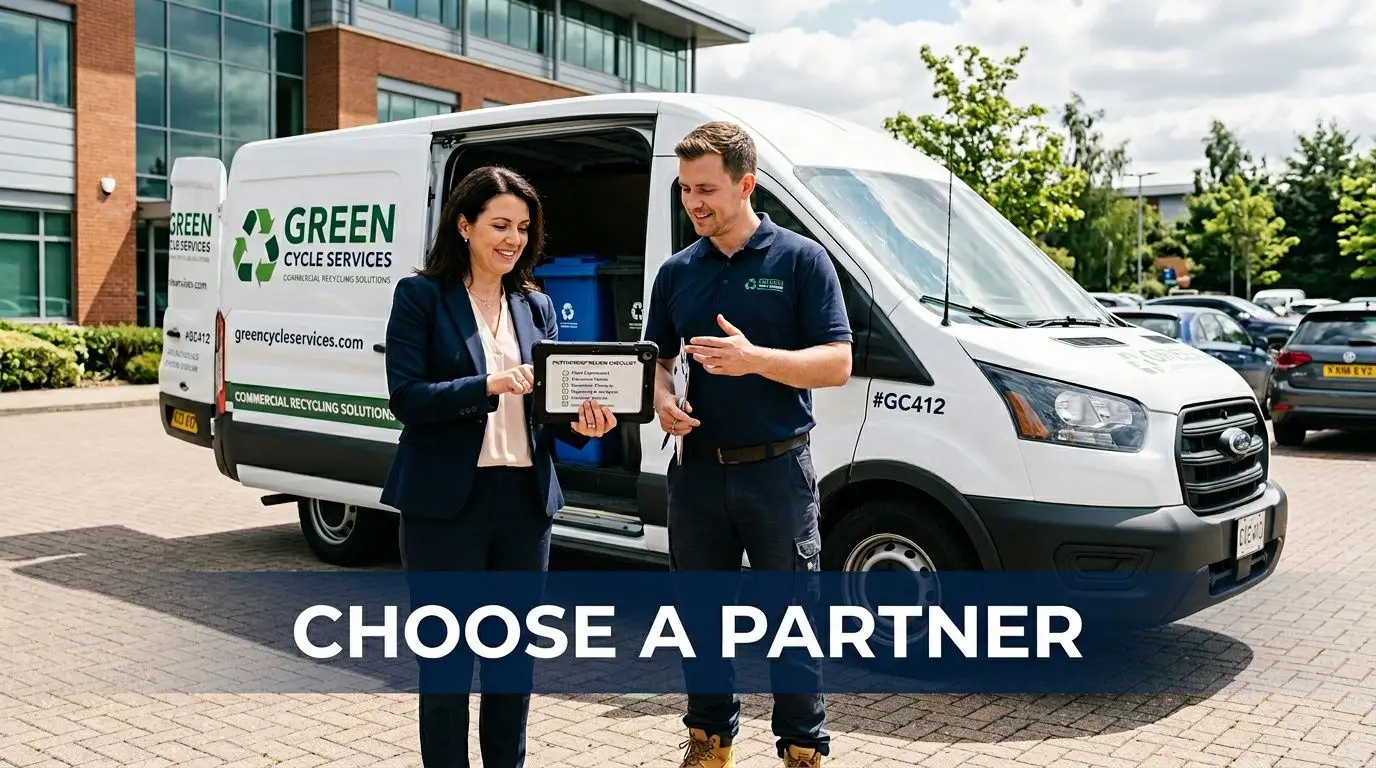
Picking the right partner for your nationwide electronics recycling program is a big deal. This decision will directly affect your company’s data security, compliance standing, and even your bottom line.
The wrong choice can easily lead to hidden costs, messy liability problems, and logistical headaches. But the right one, like a social enterprise such as Reworx Recycling, makes the entire process feel secure, effortless, and impactful.
This isn't just about finding someone to haul away old computers. It's about finding a true partner who can act as an extension of your own operations team, handling a complex, multi-state IT asset disposition (ITAD) project with total professionalism and a commitment to your ESG goals.
Use this checklist to size up potential partners and make sure you’re making a well-informed choice.
Logistical Power and National Reach
The first question you should ask is simple: can they actually handle the scale of your operation? A genuine nationwide partner needs a proven network that can coordinate pickups from all your locations, whether it's an office cleanout in a busy city center or a data center decommissioning in a remote area.
When you’re talking about their logistics, ask about:
- A Single Point of Contact: Will you get a dedicated account manager for your entire project, or will you be stuck juggling contacts in different states?
- Comprehensive Service Capabilities: Can they manage pickups for all kinds of assets, from standard laptops and servers to specialized medical or laboratory equipment?
- Scheduling Flexibility: How do they plan to work with your timelines to avoid disrupting your business while assets are collected?
A strong partner doesn't add to the complexity; they simplify it. Their ability to manage pickups across multiple locations should be a core part of their service, not just an add-on.
Certified Compliance and Environmental Stewardship
Compliance simply isn't negotiable. Your partner must show an unbreakable commitment to all federal, state, and local environmental rules. Ask them to provide proof of their certifications, such as R2 or e-Stewards. These documents are what validate their adherence to proper recycling, data destruction, and material handling standards.
A certified social enterprise partner like Reworx Recycling is your guarantee that your IT assets contribute to positive outcomes. Instead of ending up in a landfill, your equipment can be refurbished and donated to bridge the digital divide or be responsibly recycled to recover valuable resources.
This model allows your business to support workforce development programs, provide technology to underserved communities, and demonstrate a tangible commitment to corporate social responsibility.
Secure Data Destruction for All Assets
Today’s workplace is filled with data-bearing devices. We’re talking servers, laptops, smartphones, copiers, medical equipment, and more. You wouldn’t toss a company server in a dumpster without wiping the hard drive first. You can’t ignore the data stored in any of your corporate devices, either.
This is where a partner’s approach to data security becomes absolutely critical. A recycler you can trust must have a documented process for wiping or physically destroying all data storage media to NIST 800-88 standards. This is how you protect your business from data breaches and keep your corporate, employee, and customer information safe.
Transparent Value Recovery and Reporting
Finally, any quality partner should be completely open about how they process your retired assets. They need to provide clear, detailed, serialized reports. You should never be in the dark about the journey of each asset, from pickup to final disposition.
Ask them to walk you through their reporting process and show you what kind of documentation you’ll receive. This reporting must include Certificates of Data Destruction for every single serialized asset, which gives you a clear audit trail and releases your company from any future liability.
This level of detailed tracking is a key part of smart asset management, a topic we cover in more detail in our guide to reverse logistics services for businesses.
Even after getting a handle on the basics, most businesses still have a few lingering questions about how nationwide electronics recycling works in practice. It’s completely normal. The financial, logistical, and social impact details are where the rubber really meets the road.
Let's walk through some of the most common questions we hear from organizations planning to retire their IT assets. Getting these details ironed out can give you the clarity and confidence needed to move forward.
What Happens to the Data in Our Old Office Equipment?
This is a huge—and valid—concern for any modern business, and it's the cornerstone of responsible ITAD. Any professional recycling partner you work with must have a formal, documented protocol for handling data privacy. At Reworx Recycling, we guarantee that we either forensically wipe all data to NIST 800-88 standards or physically destroy the storage media, protecting your company's information. A Certificate of Data Destruction is provided for every project.
Think of it this way: a device's data storage is just as sensitive as a physical file cabinet full of confidential documents. We bring our core principle of secure data destruction to every single asset we handle. Always ask a potential partner to detail their data destruction methods before you commit.
This step is absolutely non-negotiable. It’s essential for protecting your organization's confidential information and staying compliant with privacy laws like HIPAA, GLBA, and GDPR.
Can You Recycle Specialized Equipment Like Medical or Lab Devices?
Yes, absolutely. The core principles of ITAD—secure data destruction, refurbishment, and material recovery—apply to a whole range of assets, not just office computers. This includes specialized equipment like:
- Medical devices from hospital or clinic cleanouts
- Laboratory equipment from research facilities
- Servers and networking gear from data center decommissioning
While these specialized assets might demand specific handling protocols, a capable nationwide partner like Reworx Recycling will have the right experience and resources to manage them properly. It's always a good idea to confirm that your chosen recycler has a proven track record with your specific equipment types to guarantee a smooth process.
How Is the Value of a Retired IT Asset Determined?
The value of an end-of-life device really boils down to its potential for reuse. The first, and most significant, factor is its functional condition and age. Can it be refurbished for donation or resale? A working laptop has far more value than a broken one. A transparent partner like Reworx Recycling will provide a clear, itemized breakdown that explains exactly how each asset was processed.
The second factor is the commodity value of the raw materials if the device must be scrapped. This is tied to fluctuating market prices for materials like copper, aluminum, and precious metals. Our donation-based model prioritizes reuse to maximize social and environmental impact before resorting to material recovery.
Do We Need to Transport the Equipment to Your Facility?
No, you shouldn't have to worry about that logistical headache. A reputable nationwide recycling service will provide complete logistics as a core part of their service. For a business retiring assets—especially one spread across multiple states—Reworx Recycling will coordinate and handle the entire pickup and transportation process for you.
This kind of turnkey service, whether for a single office cleanout or a multi-site facility cleanout, is what makes a program truly efficient, and it takes a major operational burden off your team's shoulders. Make sure to discuss these logistical capabilities in detail when you're vetting potential partners.
Ready to transform your surplus IT equipment into an opportunity for community impact? As a donation-based social enterprise, Reworx Recycling helps businesses like yours meet their ESG goals through responsible, secure, and sustainable electronics recycling. By partnering with us, you not only protect your data and the environment but also help bridge the digital divide.
Contact Reworx Recycling today to schedule a pickup or learn more about our corporate donation programs.