Product recall destruction services help businesses keep affected products out of circulation and document what happens to them from collection through final disposition. A secure vendor process uses an agreed inventory, controlled handling and transport, an authorized destruction or sanitization method, and records that connect each unit to its outcome.
What does a secure recall destruction service include?
A recall vendor should do more than take products away. The vendor should work from the recall instructions, confirm the affected units and approved remedy, maintain custody records at each handoff, and provide closeout documentation your team can reconcile against its inventory.
The recall notice governs which remedy applies. Some products may need destruction; others may have a different authorized remedy. A vendor should not substitute resale, reuse, donation, or another route unless the recall instructions and responsible parties allow it.
This process is particularly important for businesses managing recalled electronics and IT equipment. A laptop, server, or network device may need both product-level disposition and separate handling for stored data. Those are related tasks, but destroying a product and sanitizing its data are not interchangeable.

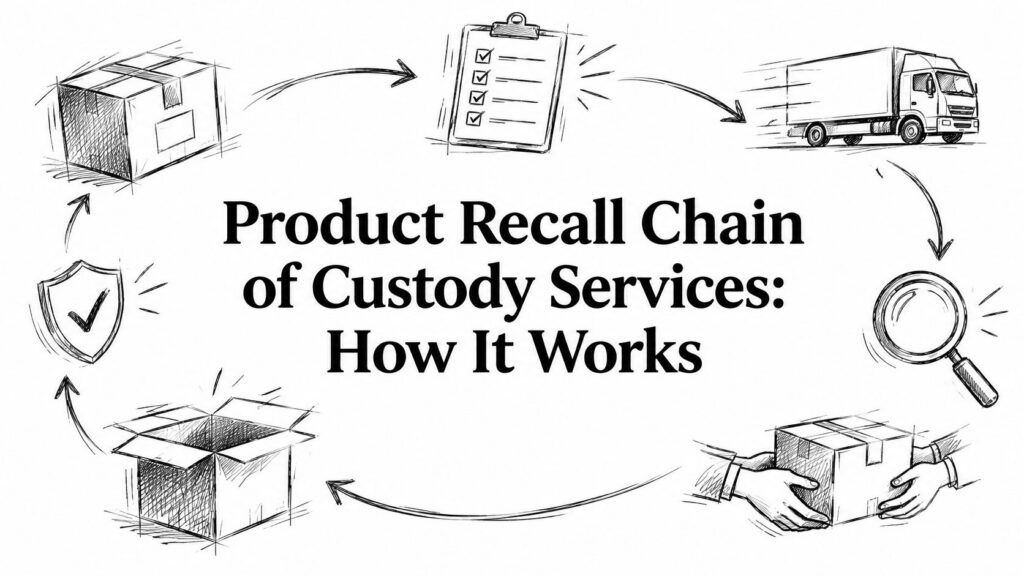
The end-to-end recall destruction workflow
A well-prepared vendor should be able to explain each stage before equipment leaves your site. Agree on the scope, records, custody transfers, and authorized outcome in advance.
- Scope the affected units. Share the recall notice and available product information with the vendor. Identify affected models, SKUs, lot or batch references, serial numbers, quantities, locations, and the deadline or schedule your team is working toward. Agree how to handle missing, unreadable, or inconsistent identifiers.
- Quarantine the products. Separate affected units from ordinary stock, returns, and equipment awaiting routine recycling. Label the holding area and limit access to people responsible for the recall. The goal is to prevent accidental reuse, movement, or mixing with unaffected equipment while the disposition plan is being confirmed.
- Set up vendor intake and serial capture. Decide what the vendor will record at pickup and what will be checked again at the receiving facility. For identifiable electronics, capture serial numbers or another suitable unit identifier, then link those records to the recall reference and shipment. If a unit cannot be identified, keep it visible as an exception rather than guessing.
- Arrange secure transport. Confirm who is collecting the material, where it is going, and how the handoff will be recorded. Use an itemized collection record or manifest, note any container or seal identifiers if used, and have both sides confirm what was released and received. For multiple sites, agree on a consistent process for every location.
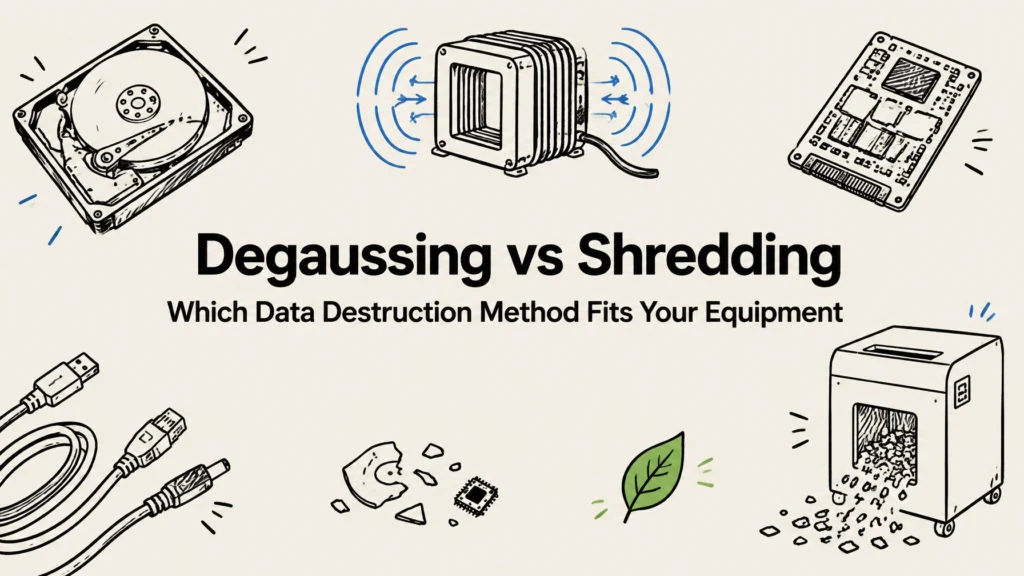
- Complete the authorized destruction or sanitization. The vendor processes the products according to the approved remedy and records the work. If the equipment contains data-bearing devices, clarify whether data will be wiped using a NIST 800-88-style process or whether hard drives will be shredded. Reworx offers free data destruction for accepted devices, with a certificate of destruction for completed data destruction work.
- Reconcile inventory and close out. Match the vendor’s intake and processing records to the original affected-unit list. Resolve shortages, duplicates, damaged labels, and other discrepancies before treating the project as complete. The closeout package should show the final status of the affected units and include the agreed supporting records.
Chain of custody: what should be recorded?
Chain of custody is the traceable record of who controlled the products, when custody changed, and what happened at each stage. It helps your team follow the material from the original inventory to its documented outcome.
| Custody stage | Record to capture |
|---|---|
| Collection | Items or quantities released, identifiers available, location, time, and releasing party |
| Transport | Carrier or responsible party, shipment reference, departure and arrival details, and container or seal information if used |
| Receiving | Items received, check against the collection record, receiving location, and any exceptions |
| Destruction | Authorized method, processing date, and record connecting the work to the affected units |
| Closeout | Reconciled inventory, final status, and agreed completion documents |
The receiving check matters. A pickup receipt shows that material left your location; it does not, by itself, confirm what the processing facility received or what happened afterward. Ask the vendor how it reports mismatches and who will follow up on unresolved items.
For a deeper look at certificate details, see our certificate of destruction guide for recalls.
What to ask a recall destruction vendor
A useful vendor conversation should cover the whole journey, not just the equipment used to destroy products. Ask questions that let operations, IT, facilities, and compliance teams understand their responsibilities.
- How will you define the affected population? Confirm how the vendor will use your recall notice, product list, and identifiers to establish what is in scope.
- How do you record each handoff? Ask who signs or confirms collection, how receiving is reconciled, and how exceptions are reported.
- Where will the products be held before processing? Understand how the vendor keeps recalled material separate from unrelated items and limits unauthorized access.
- Who performs the work and where? Clarify whether any part of the process is handled by another party, and how that transfer is documented.
- How do you handle data-bearing equipment? For laptops, servers, and storage media, ask how the vendor determines whether wiping or hard drive shredding is appropriate and what evidence you will receive.
- What happens to recyclable material afterward? Ask how downstream processing is handled and documented. A responsible recycling route should not undermine the recall remedy or allow affected products to return to circulation.
Compliance needs vary by product, organization, and recall. Manufacturers and regulators may set requirements for the remedy and its documentation. If HIPAA, PCI DSS, state data breach laws, contract terms, or internal policies apply to data on affected equipment, confirm the required handling with your own compliance or security lead before collection.
Destruction, sanitization, and recycling are different decisions
Product destruction addresses the recalled item and its risk of being used or sold again. Data sanitization addresses information stored on a device. Recycling addresses how materials are managed after the required remedy is complete.
Sometimes a recalled electronic item must be destroyed, while its data-bearing parts also need secure treatment. In other situations, the recall instructions may permit a different route. The vendor should follow the authorized plan, document what it did, and avoid treating recycling or data wiping as a substitute for required product destruction.
For IT equipment, Reworx’s IT asset disposition services support coordinated equipment handling, secure data destruction, and responsible electronics recycling. For drives that require physical data destruction, learn more about hard drive shredding.
When the approved remedy allows recycling, choose a provider with a clear downstream process. Reworx offers certified eco-friendly recycling with responsible downstream processing, using R2-style controls. Recalled products should only enter a reuse or donation route when that outcome is expressly allowed.
Planning collection across locations
Multi-site projects need consistent instructions for everyone preparing equipment. Give each site the same recall reference, identification rules, quarantine instructions, pickup plan, and contact for reporting exceptions. If a site cannot identify or locate an affected unit, record that gap instead of removing the unit from the list.
Reworx serves organizations nationwide across all 50 states and is headquartered in Smyrna, Georgia, in metro Atlanta. Free nationwide pickup is available for eligible electronics projects; confirm the recall-specific scope and approved disposition before scheduling. After-hours scheduling can help coordinate around site needs, and you can text Reworx for a fast service response.
Tamper-proof drop-off boxes may suit some approved electronics collection programs, but check that drop-off fits the recall plan and its custody requirements before using one. For a controlled recall project, the collection method should preserve the records your team needs from the first handoff.
Reworx’s mission also connects responsible electronics handling with community benefit. When equipment is suitable and the authorized remedy permits reuse, refurbished technology can help bridge the digital divide by supporting education and career readiness for marginalized and vulnerable communities.
FAQs about secure product recall destruction
What is chain of custody in product recall destruction?
It is the record of who handled affected products, when custody changed, and where the items went. The records should connect the original inventory to receiving, processing, and final disposition.
How do I choose a recall destruction vendor?
Ask how the vendor scopes affected units, captures identifiers, controls storage and transport, records each handoff, handles exceptions, and documents the authorized final outcome. For electronics, also ask how data-bearing devices are wiped or destroyed.
Do recalled products need to be destroyed or recycled?
The recall notice and applicable instructions determine the remedy. Some products may need destruction, while others may have another approved outcome. Recycling should not be treated as permission to reuse or resell affected products.
Can a vendor wipe data instead of shredding the product?
Wiping can address data on supported storage media, but it does not necessarily satisfy a product recall remedy. Confirm separately what must happen to the recalled product and what must happen to its data-bearing components.
What should I have ready before scheduling pickup?
Prepare the recall notice, an affected-unit list, available model and serial information, site locations, quarantine status, and the approved disposition instructions. Agree with the vendor on intake records and how discrepancies will be resolved.
Next step: Gather the recall notice and affected-unit inventory, then confirm the approved remedy and documentation plan with your vendor before scheduling collection. For eligible electronics projects, contact Reworx to discuss nationwide pickup, secure data destruction, and responsible recycling.