A certificate of destruction for recalled products is only useful if it connects the specific recalled units to a documented destruction record. Before accepting it, check that identifiers and quantities reconcile, the method and date are clear, and the right people have signed. Ask the vendor what evidence will accompany the certificate before you approve the work.
What a certificate of destruction does
A certificate of destruction (CoD) is a written record stating that identified products were destroyed or otherwise disposed of as directed. For a recall file, it should let a reviewer trace the certificate back to the recall notice and the affected inventory, then understand what happened to those units.
A generic statement such as “products destroyed” leaves important questions unanswered. Which products? How many? On what date, by what method, and under whose authority? If the answers are not on the certificate or in clearly referenced attachments, the record may be difficult to verify later.
A CoD is one part of your recall documentation, not an automatic sign-off that the recall is closed or that every legal obligation has been met. Manufacturers and regulators may require advance notice, witnessing, an affidavit, photographs, or other evidence for some recalls. Check the recall notice and confirm the requirements with counsel before authorizing destruction.
Certificate fields to require
Ask the vendor to provide a certificate that is specific to your recall and work order. A sample template should make it clear how the vendor records identifiers, counts, method, signatures, and any exceptions.
| Field | What it proves | Evidence to attach |
|---|---|---|
| Recall reference and certificate or work-order ID (placeholder) | Connects the record to the recall and the vendor’s work | Recall notice or written work instruction (placeholder) |
| Product identity and affected identifiers (placeholder) | Shows which product population the record covers | Inventory or serial/lot reconciliation sheet (placeholder) |
| Quantity received and quantity destroyed (placeholder) | Shows how the documented units reconcile | Receiving count and completed destruction log (placeholder) |
| Destruction date, location, and method (placeholder) | Records when and where the work occurred and what was done | Facility record, method record, and photos if required (placeholder) |
| Exceptions or remaining units (placeholder) | Makes shortages, count differences, or incomplete work visible | Exception report and follow-up disposition record (placeholder) |
| Responsible person’s name, role, signature, and date (placeholder) | Identifies who attests that the work was completed | Signed certificate; witness record if required (placeholder) |
Use the identifiers that make sense for the product. Depending on the item and recall, these may include manufacturer, model, SKU, lot or batch number, and serial number. If the certificate refers to a separate inventory sheet, require that sheet and make sure the reference is specific enough to find it later.

What to require from a destruction vendor
Before you sign a work order or release recalled products, ask for the certificate format and agree in writing on what it will document. The vendor should understand the recall identifiers, the approved method, the quantities in scope, and any special requirements set by the recall notice or your organization.
A practical vendor checklist includes:
- A sample certificate you can review in advance.
- A written description of the destruction method and final disposition.
- Fields for product identifiers, received and destroyed quantities, dates, location, and exceptions.
- The name and signature of an authorized person responsible for the completion record.
- Any witness, affidavit, photographs, or other evidence required for your recall.
- A clear process for resolving count differences or units that cannot be processed as instructed.
- A defined way to deliver the certificate and attachments after the work.
Ask whether the vendor can provide supporting records in a format your audit or procurement team can file and review. Avoid accepting an assurance such as “we provide documentation” without seeing what the documentation contains.
Keep custody documentation in view
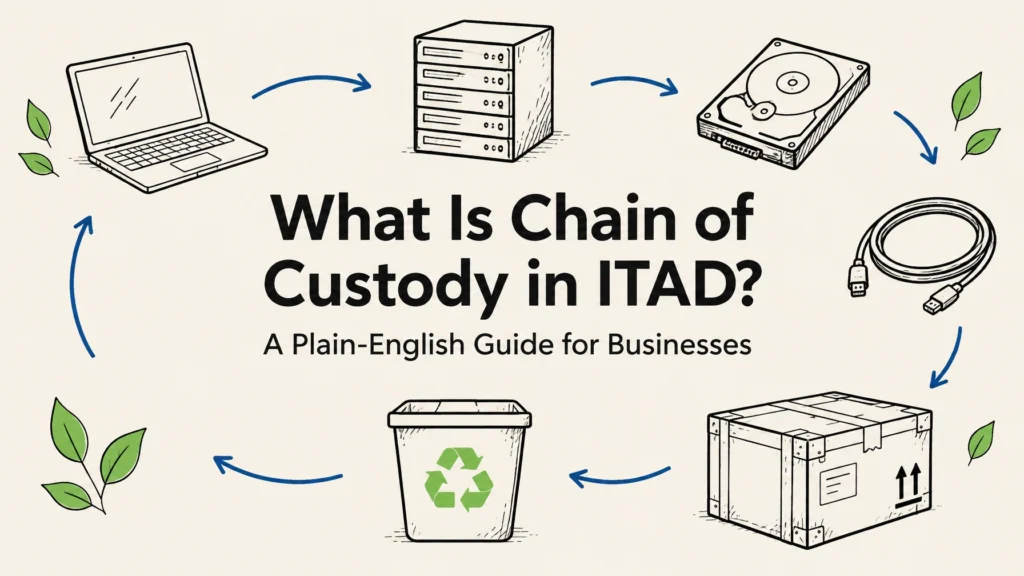
The certificate should refer to the relevant pickup or receipt record so you can connect the products delivered to the work performed. Keep this part focused: the main test is whether those records, the certificate, and the inventory list point to the same recalled units and quantities. If the vendor’s records show a different count, get the discrepancy explained in writing before accepting the certificate.
How to verify a certificate before accepting it
Use this review before filing the certificate as complete. If anything does not match, request a correction or supporting record instead of silently accepting a gap.
- Check the identifiers. Match the recall reference, product details, and any lot, batch, SKU, or serial information to the recall notice and your affected inventory. Confirm the certificate covers the intended population, not just a broad product category.
- Reconcile the counts. Compare the quantity received with the quantity destroyed and the number of units in scope. Any difference should be listed and explained. A vague estimate or unexplained balance is not a clean reconciliation.
- Confirm the method and outcome. The certificate should say what was done, not only that the items were “processed” or “recycled.” Check that the method and final disposition follow your written instruction and any applicable recall requirements.
- Check signatures and custody references. Confirm that the responsible person is named and has signed and dated the record. If a witness or specific approval is required, check for that record too. Match any pickup or receipt reference to the related records.
- File the complete record. Save the certificate with its referenced inventory sheet, work order, count reconciliation, and required evidence. Keep any correction, exception report, or follow-up record with the same recall file.

Data-bearing electronics need clear data records too
For recalled electronics that contain storage media, product destruction and data destruction are related but distinct records. Make sure the written instructions say whether the data should be wiped or the storage media physically shredded, and how the vendor will document that work.
A wipe should be performed using a recognized process in the style of NIST 800-88, with a record of the method and verification where applicable. Physical shredding destroys the media rather than sanitizing it for reuse. Require the certificate or its attachments to identify which method was used for the relevant devices; do not assume that a general product-destruction statement proves data was securely handled.
For businesses, map the records to your own legal, contractual, and security needs. HIPAA, PCI DSS, state data breach laws, and internal policies may affect how you handle information, but the right requirements depend on your situation. Ask your legal, privacy, or security team to review the instructions before work begins.
Reworx provides a certificate of destruction with its secure data destruction work. We offer free data destruction, with wiping or hard drive shredding based on the agreed service and device needs. Our hard drive shredding service and IT asset disposition services can support organizations managing retired or recalled electronics.
Keep the record with the recall file
There is no single retention period that applies to every recall. Retention requirements can come from your regulator, contract, company policy, or legal team. Confirm the period that applies to your case, and check whether a claim, investigation, or legal hold affects what you may dispose of.
Keep the certificate with the recall notice, the affected-inventory list, count reconciliation, work instruction, and any required evidence. Use a consistent file name or record ID so the certificate can be found by recall reference and matched to the units it covers.
For responsible downstream processing, ask the vendor what happens to products after destruction and what recycling or disposition records are available. Reworx uses certified eco-friendly recycling programs and responsible downstream processing. Our work supports a mission to bridge the digital divide by helping provide refurbished technology and support to marginalized and vulnerable communities for education and career readiness.
Frequently asked questions
What is a certificate of destruction?
It is a signed record stating that identified products or materials were destroyed or disposed of. For a recall, it should connect the products and quantities to the recall record and state the method, date, and responsible person.
Do I need a certificate of destruction for recalled products?
That depends on the recall notice, regulator, contract, and your organization’s requirements. A certificate is useful evidence, but it may not replace required notice, witnessing, an affidavit, or other documentation. Confirm what applies before destruction.
What should I do if the certificate quantity does not match my inventory?
Do not treat the difference as a rounding issue. Ask the vendor for a written reconciliation that identifies the quantity received, destroyed, and outstanding, and documents how any remaining units were handled. Keep the explanation with the recall file.
How long should I keep destruction records?
There is no universal retention period for every recall. Follow the period set by your regulator, contract, and legal team, and preserve records affected by an investigation, claim, or legal hold.
Need a certificate for electronics destruction?
Ask your vendor for a sample certificate and confirm the required fields before scheduling work. Reworx offers free nationwide pickup across all 50 states, flexible scheduling including after-hours options, and tamper-proof drop-off boxes where available. We’re headquartered in Smyrna, Georgia, in metro Atlanta, and serve organizations nationwide. You can schedule a pickup or text us for a fast response.